Nippon! First time to Japan in 7 years, and now with 2 young children in tow. We chose the Osaka/Kansai area for its good mix of urban energy and range of kids friendly attractions. It happened to be extra affordable with the yen at 144 to the dollar, which gave us room to splurge a bit more on fresh seafood and shopping. Osakans tend to have a stronger palate with street foods like okonomiyaki and takoyaki, also a preference for deep fried dishes like tempura, kushiyaki (by mid trip I was missing my vegetable intake for sure). Best to pair with would be a cold draft beer, I also enjoyed a refreshing umeshu (plum wine) soda.
Kids Friendly? Mostly so – many children activities available, nursing rooms and most new buildings had kids potty equipped bathrooms. Ticketing for children under 3 was mostly free at various sites, and subways only charge those 6 and up. Subway stations are mostly stroller accessible with elevators. Kids were always provided suitable eating utensils, and casual eateries were generally tolerant of their mess. We preferred restaurants with tatami areas which mitigated the general lack of highchairs. Its harder to bring them along to izakayas as many still permit indoor smoking.
Cash or Card? Still very much a cash based society; we noticed that even in subways locals did not use Suica / Apple Pay and still lined up for tickets each time. Vending machines, parking, tolls all required coins so make sure you have small change at all times. Some tourist stores have also started to accept Wechat Pay and Alipay.
Transportation: We rented a car for our first 5 days and soon found how easy it was to get around, with ample street parking. Many small coin parking lots with just a 5-10 spaces tucked in narrow alleys. Drive right in and pay by automated meter upon leaving. Through Nissan-Rent-A-Car we picked up a new Nissan Serena at Kansai airport and returned it in the city at Namba OCAT Bus Terminal relatively fuss free. There are strict rules around carseats for children, but these can be arranged at a small charge. Subway and railways are clearly marked and affordable. That said, we had too much luggage and too few hands to take the Rapid Air Transit thus booked an airport transfer via Klook that provided a 7 seater car with a Chinese speaking driver.
Do-overs? With young kids, should probably have done more nights outside of the city exploring the ryokans in Nara and Kyoto instead of rushing back to town each night. Also rented a car for the full 9 days for more flexibility; the days we were without, everything felt rushed and we ended up missing out on top sights like Osaka Castle as things do close early. If you do rent, do add on an ETC card for automated tolls – we wasted so much time stopping to count coins each time. Osaka is also a major port; saw some very amazing reviews of the overnight ferry experience to Beppu/Kyushu that I would love to try sometime.
Recommended Route:
Sakai (2 days) > Osaka (3 days) > Nara (1 day) > Kyoto (1.5 day)
With a car, it’s easy to take a loop around the Greater Kansai area, breaking up the agenda between outdoor adventures and cityscapes. This would involve jumping hotels and packing light, but you would see more of each city and have more time to soak in the local culture and nightlife.
<Sakai>
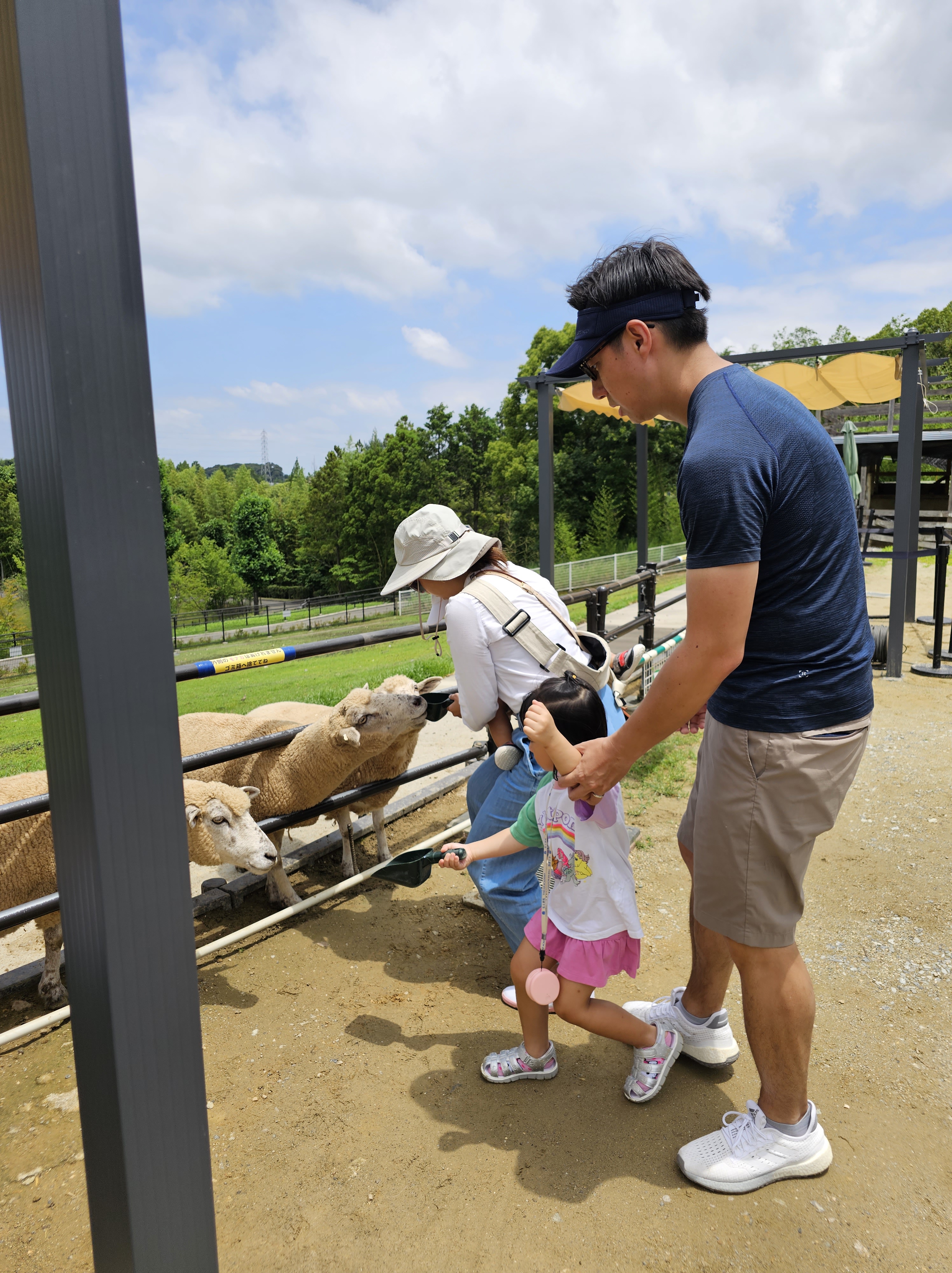
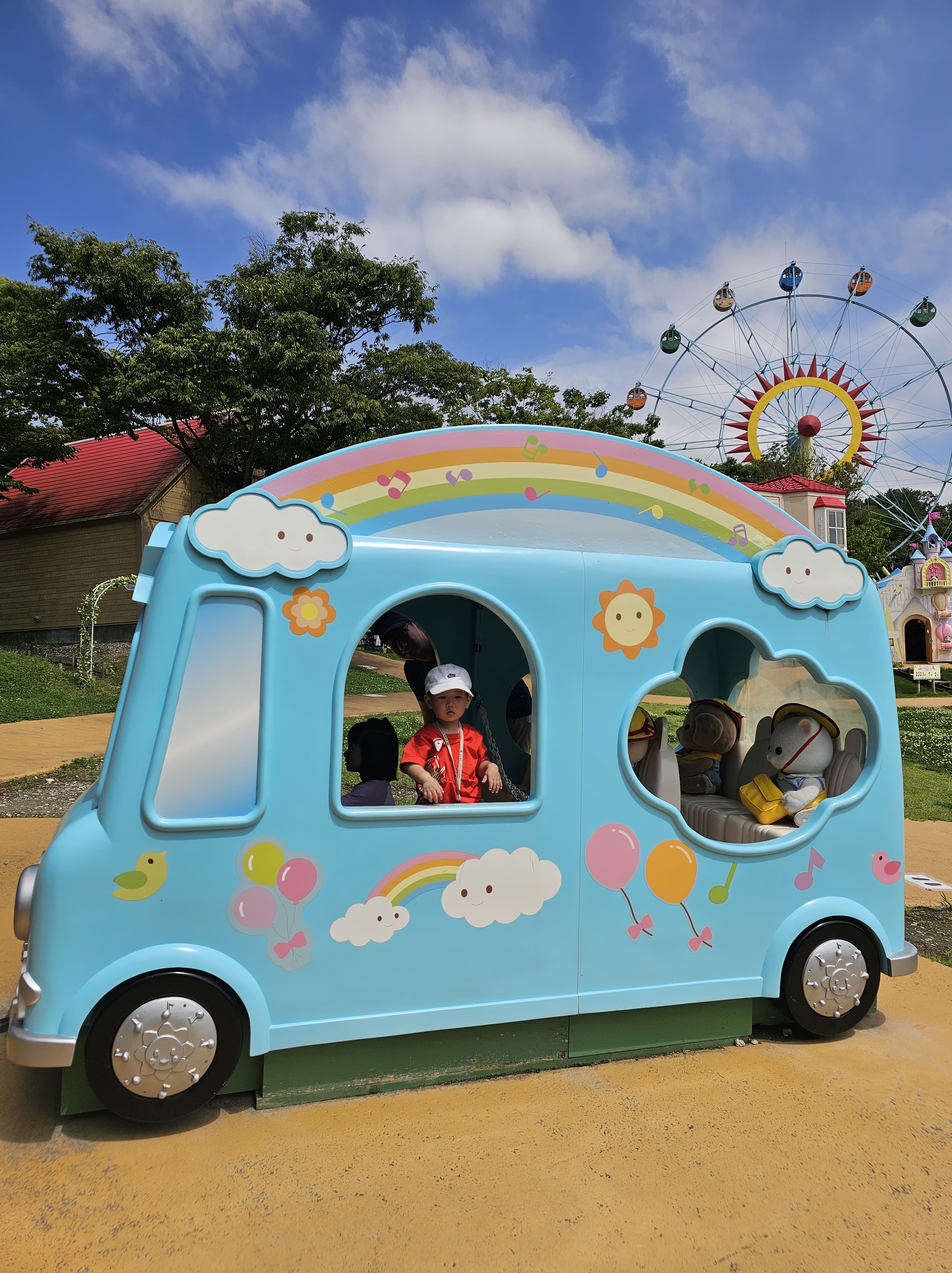
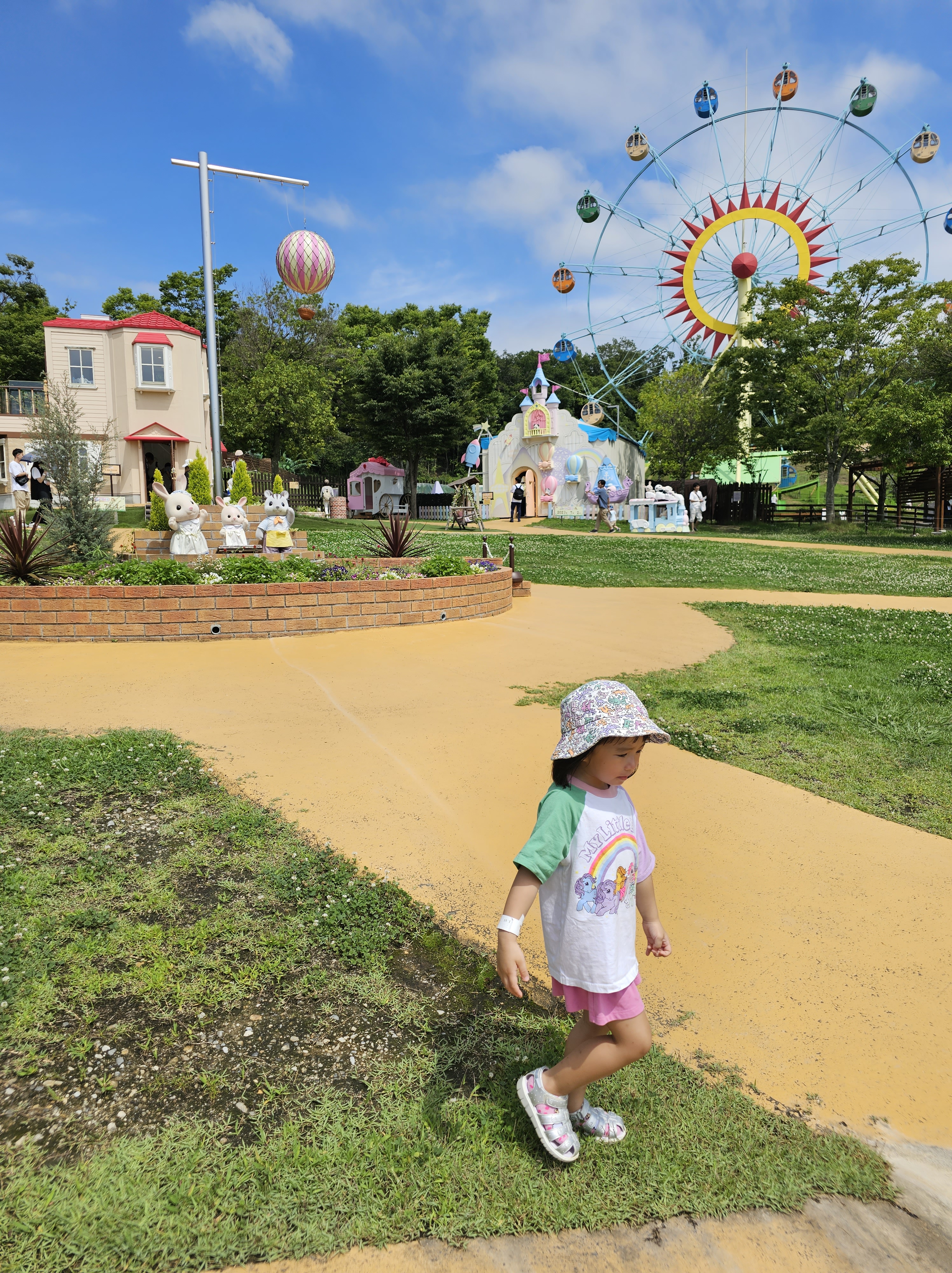
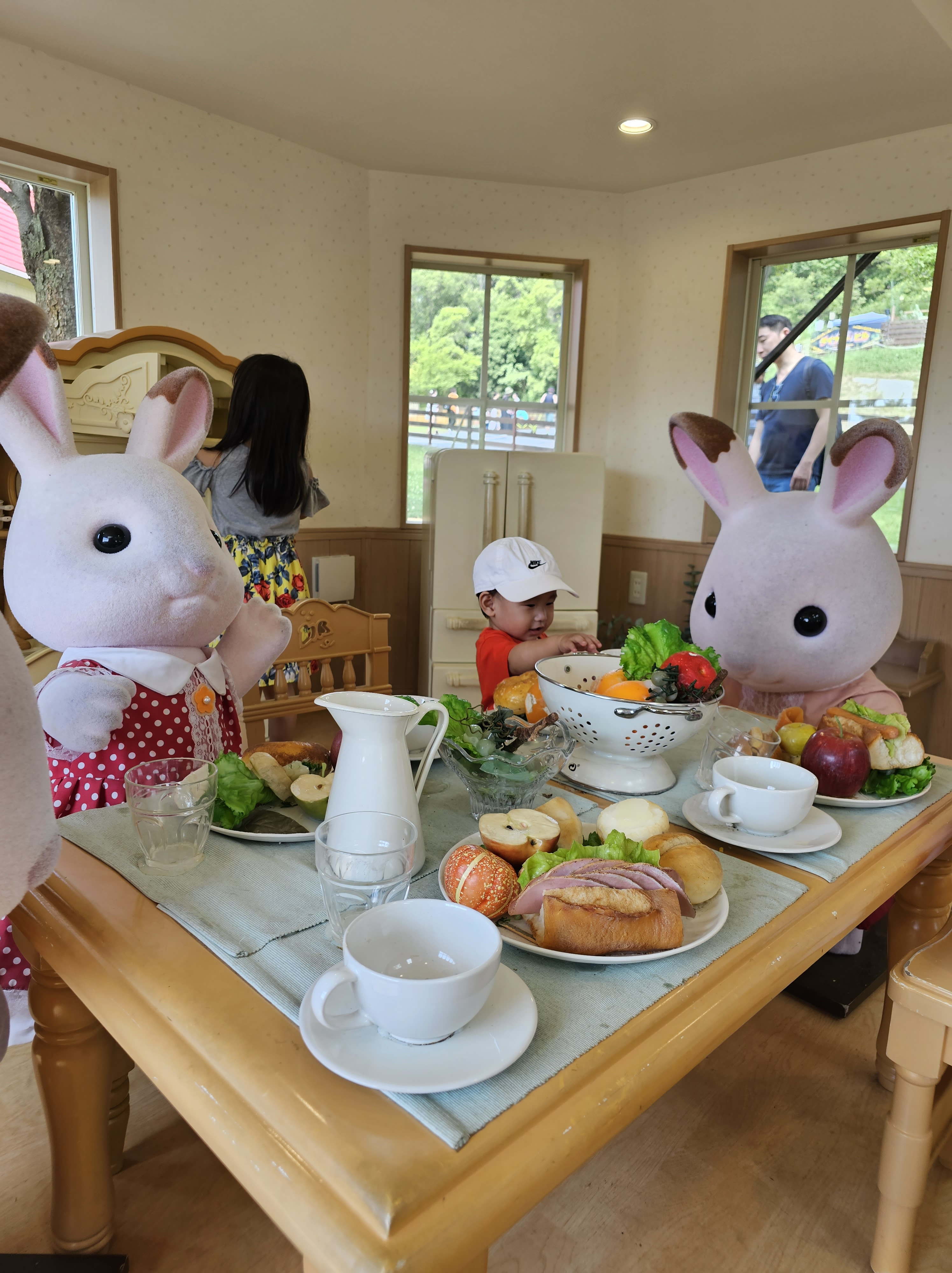
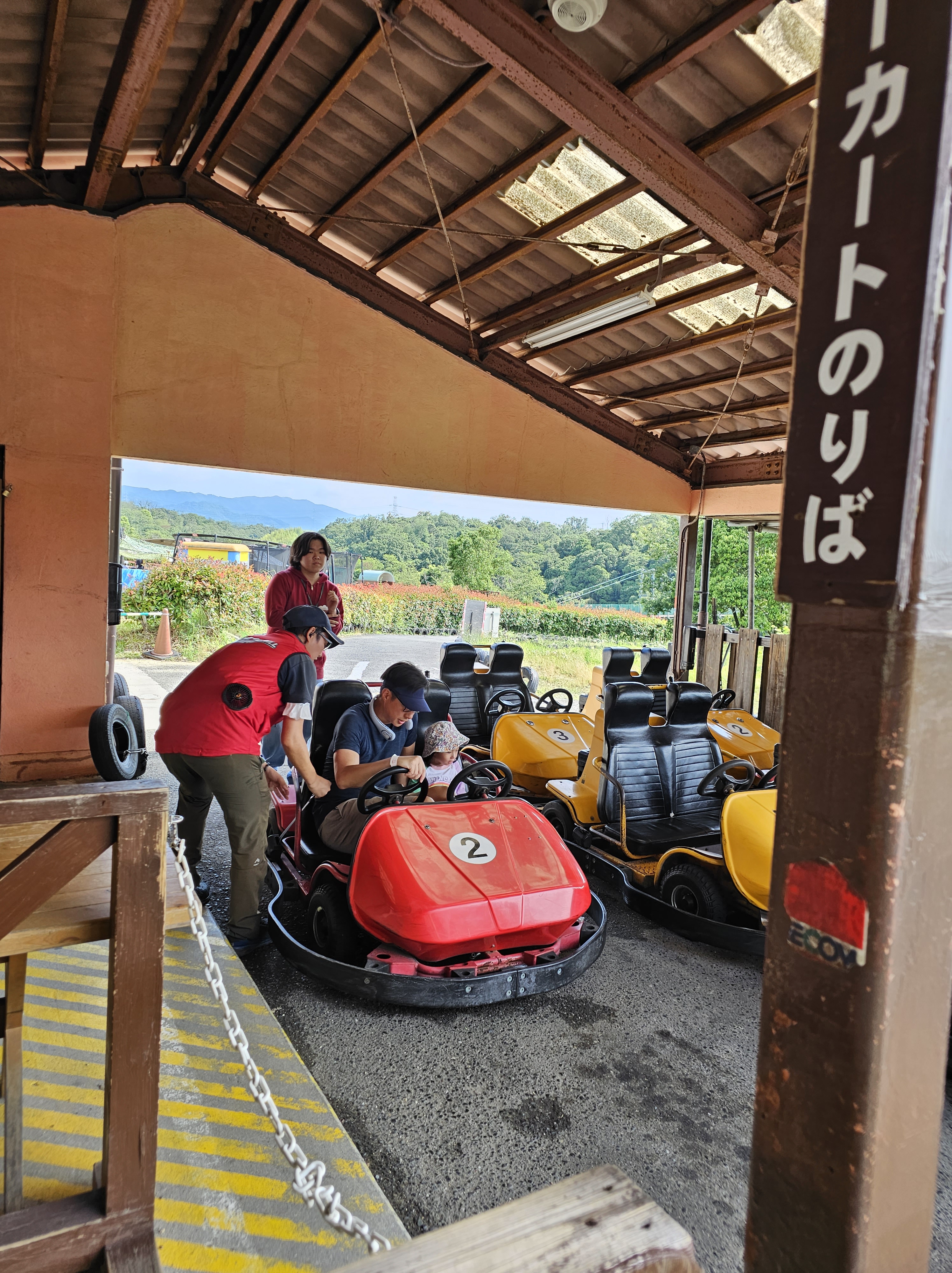
Sights: We had come specifically for Harvest Hill which is a farm / amusement park best suited for 2-8 year olds. Be sure to time your visit for Capybara feeding; in cooler seasons they also have sheep sheering and cow milking activity times. We did some horseback riding, fed the goats but didn’t come prepared to use the outdoor water play area which was a hit with locals. Separate entrance fee for Sylvanian Family Park but this is a dream activity for little girls and a must visit. Our daughter went for a second round on the go-cart track, there was also an outdoor grass sledding hill and dinosaur walk through experience we were not able to make time for. If you spend an additional night in Sakai, Big Bang Osaka Childrens’ Museum is a short 10 minute drive away and has activities for slightly older children.
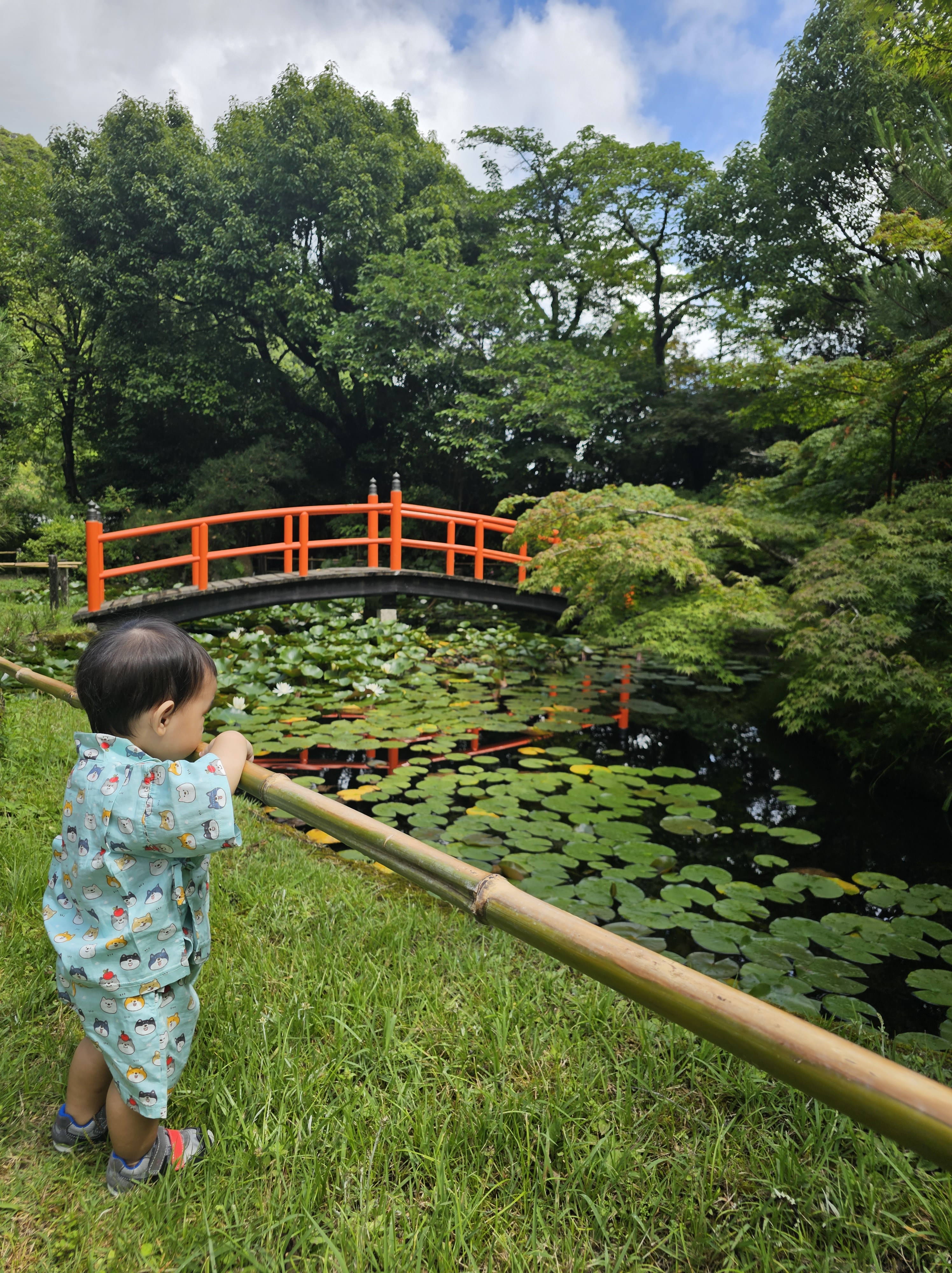
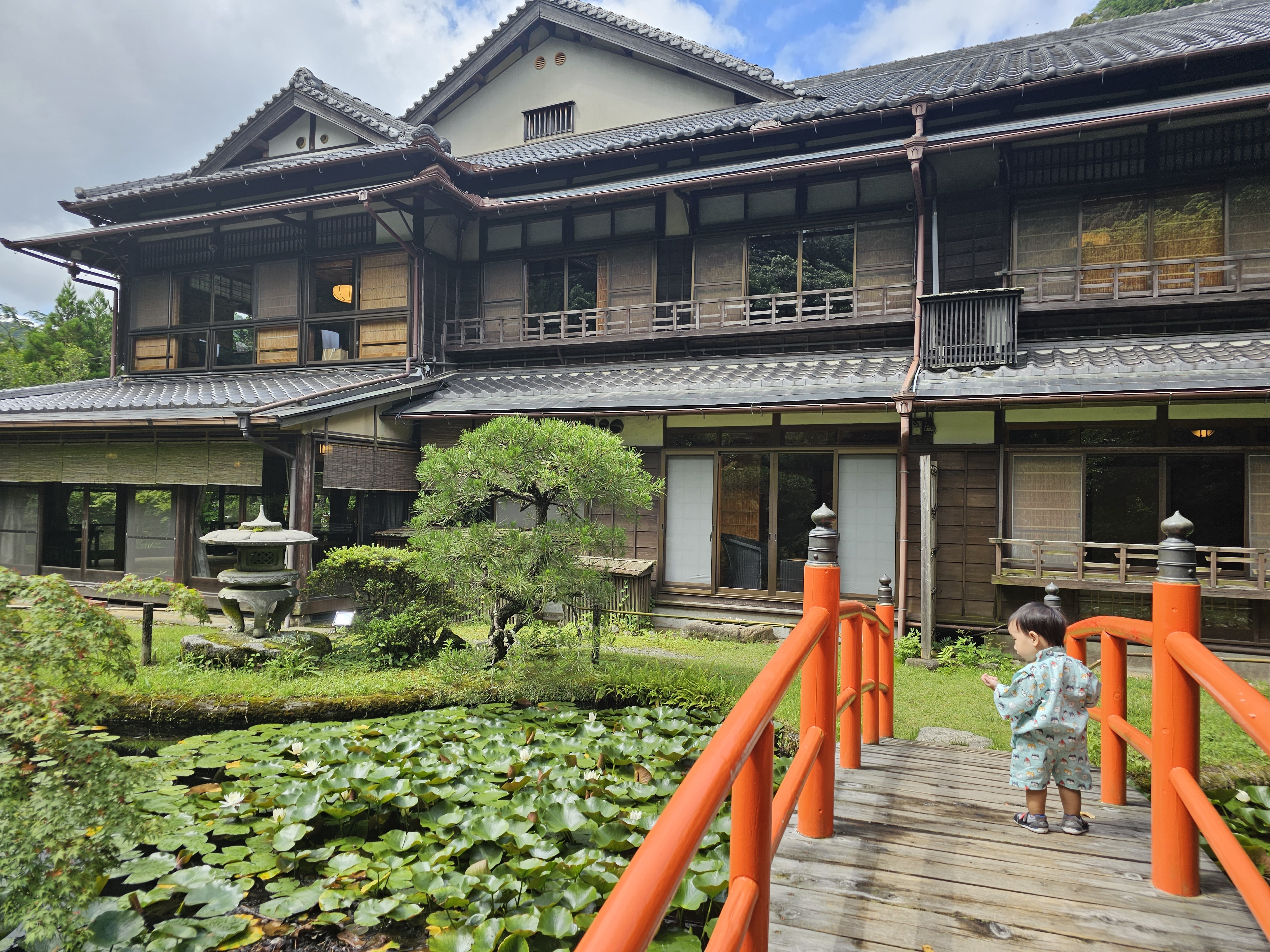
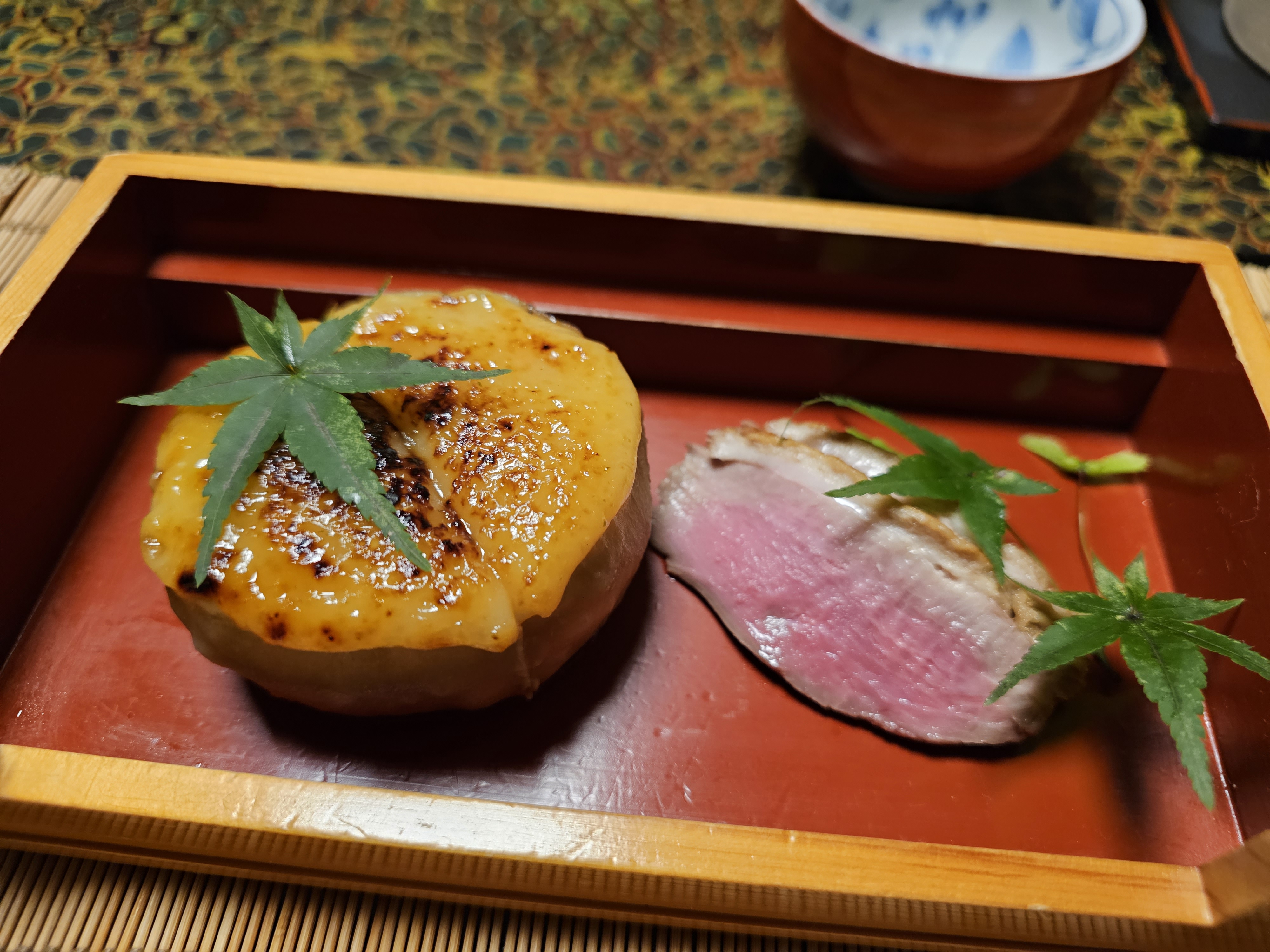
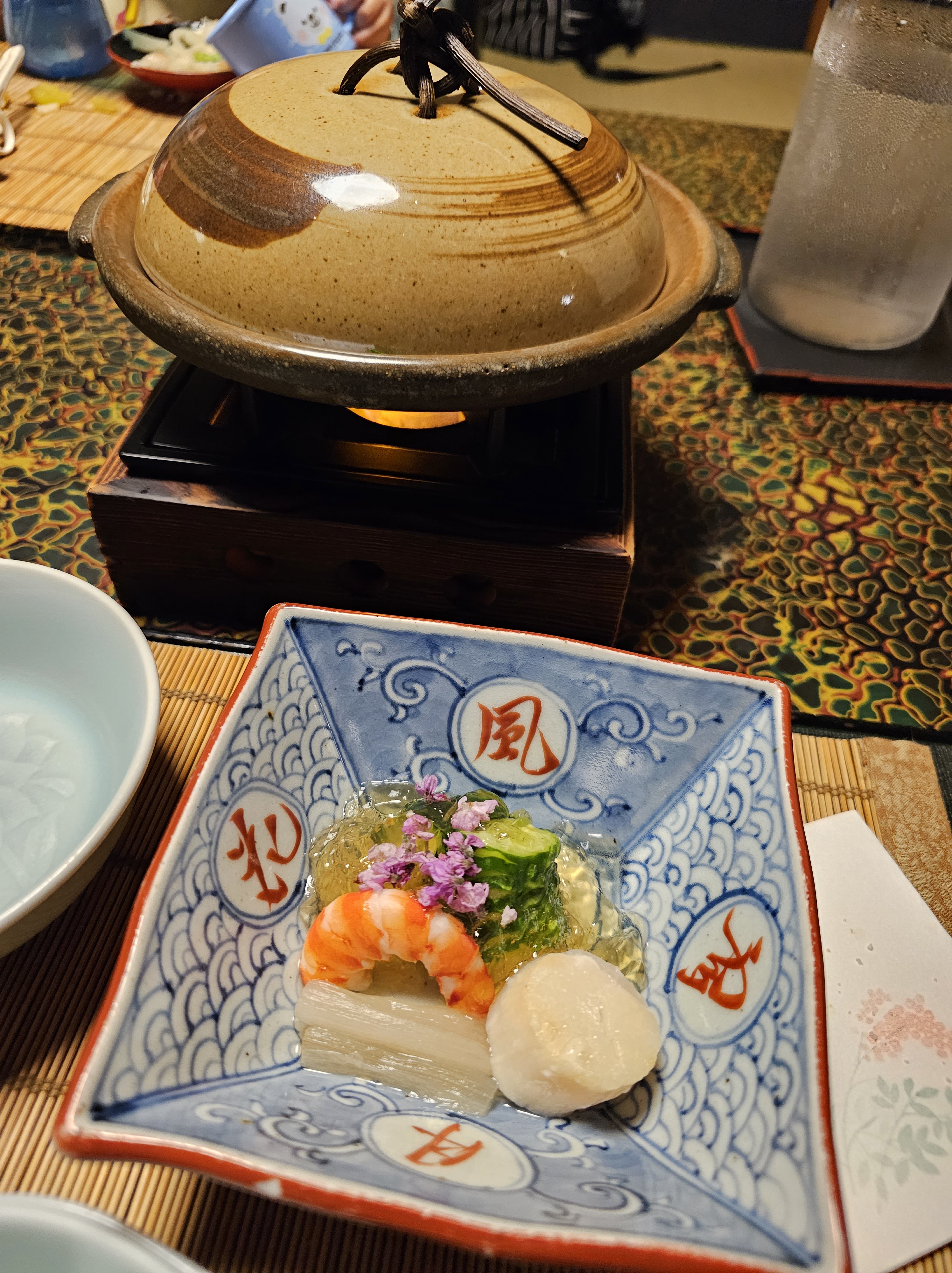
Hotel: We arrived Kansai late afternoon and drove directly to our onsen ryokan in the little known rice paddy town of Amami. Nanten-en is a traditional property designed by the famous architect Tatsuno Kingo (Bank of Japan, Tokyo Station) with natural hot springs. The staff were friendly and managers spoke good English. We were served a kaiseki meal in our room, afterwhich we changed into yukatas for an evening soak in their communal onsen. Nothing fancy but the windows open up for a light outdoor breeze and are stocked with Japanese amenities. They serve a hearty Japanese breakfast in the dining hall (or room if you prefer). Tips – request a garden view room on the ground floor which offers a nice sitting area facing outdoors. Not all rooms have private showers (use communal onsen bathing facilities instead), so do check your preferred room type. They have strict check in, check out times of 4pm / 10am respectively hence good to arrive at a time that maximises your opportunity to utilise the onsen facilities.
<Osaka>
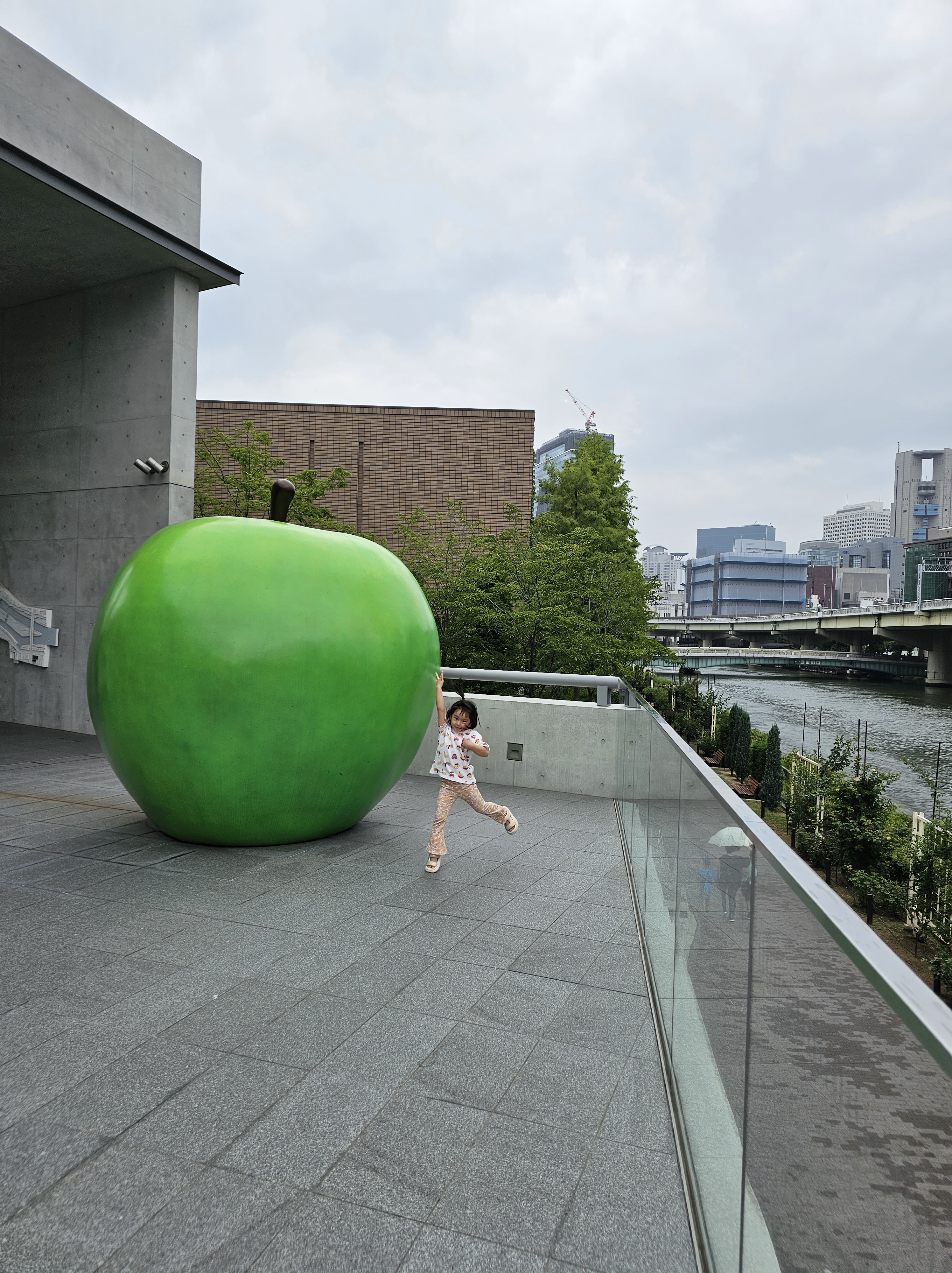
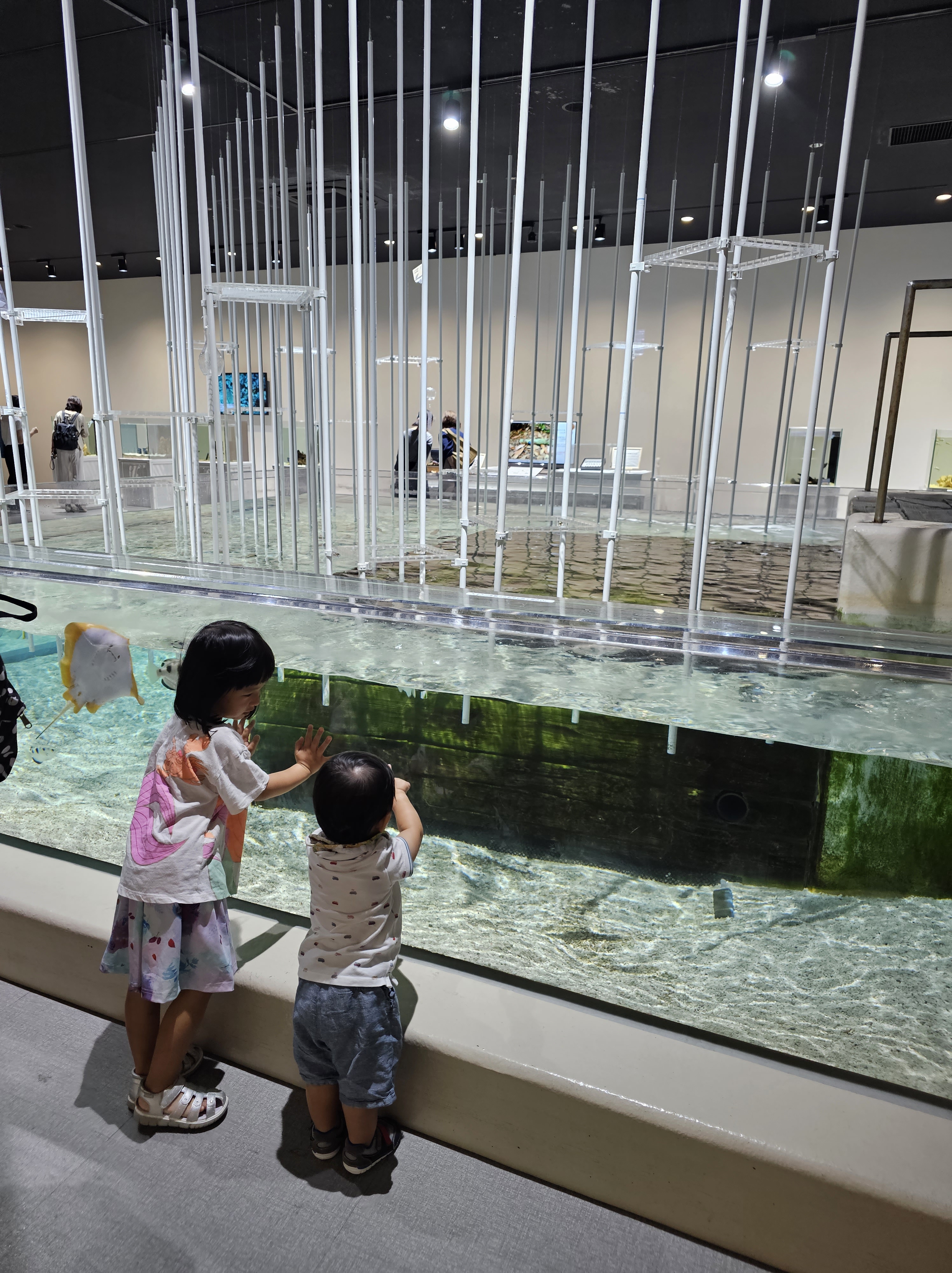
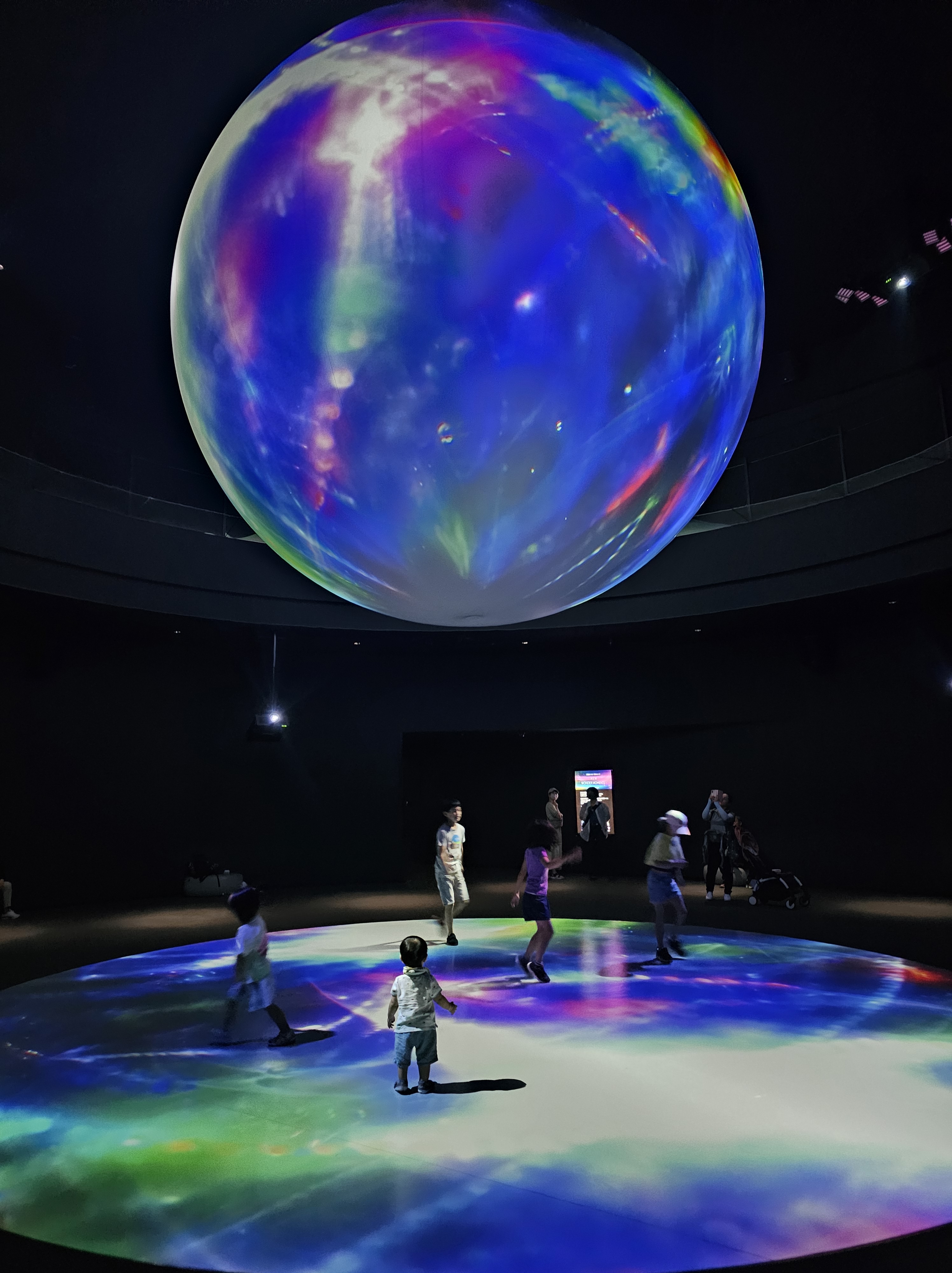
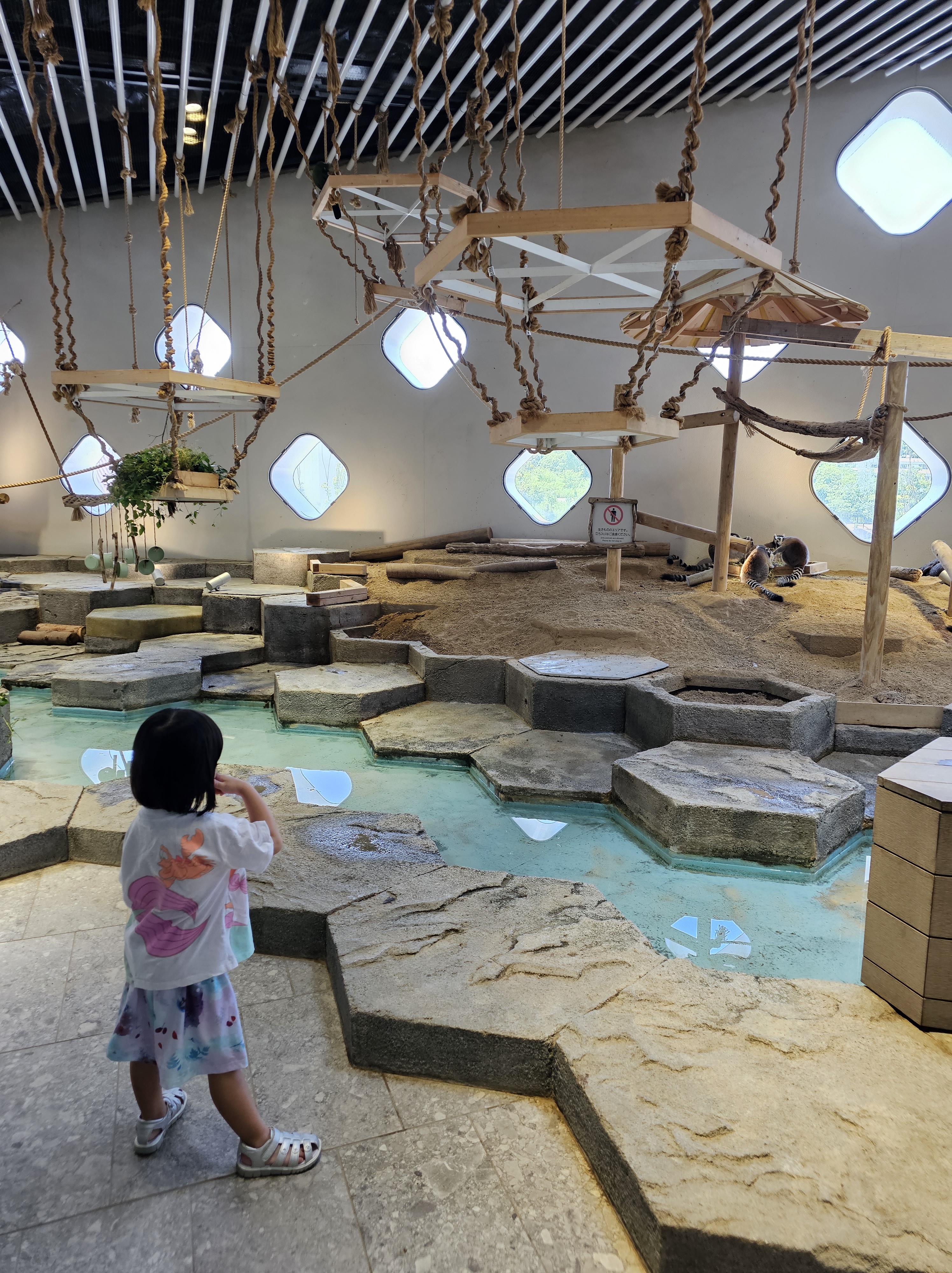
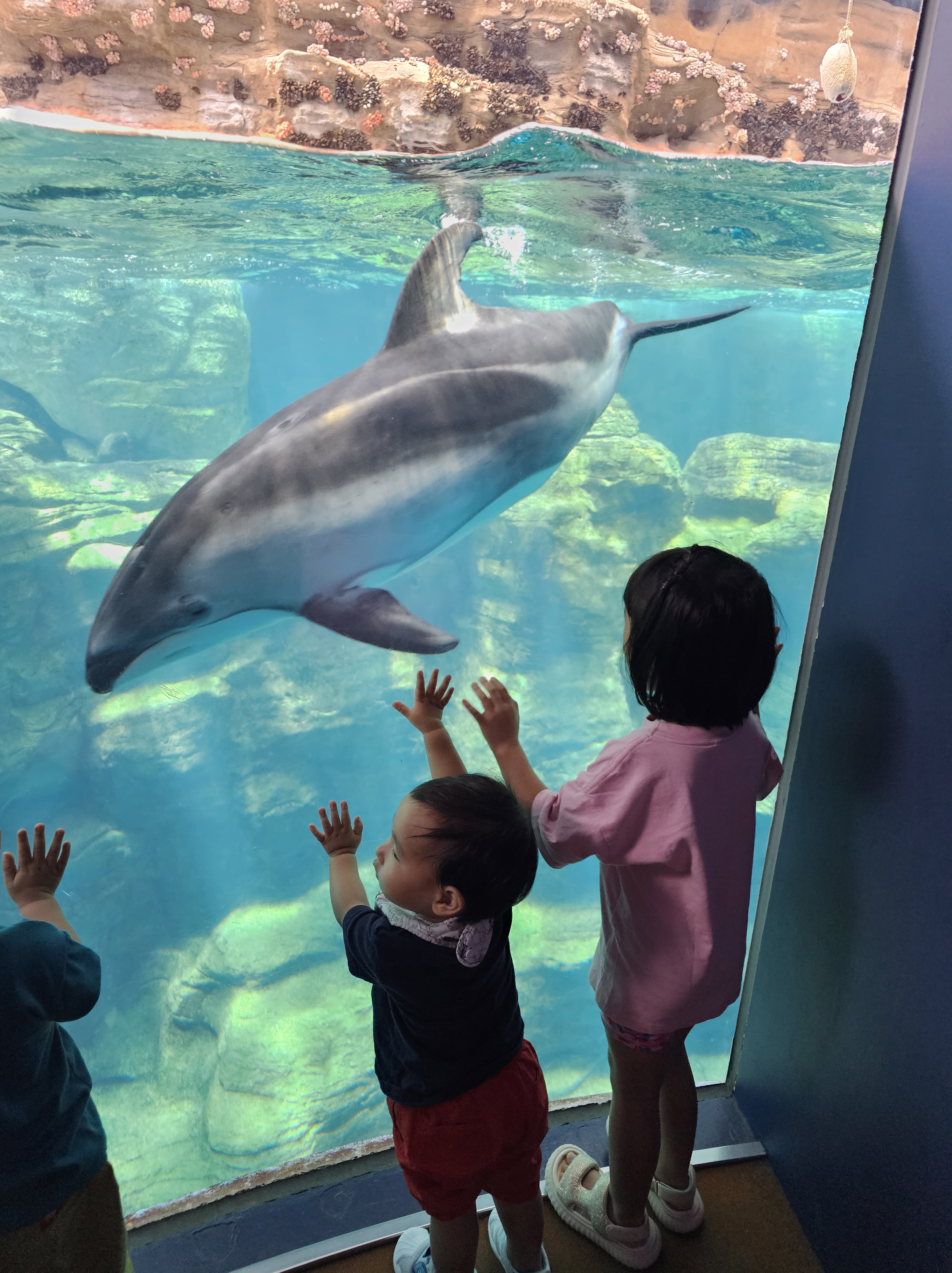
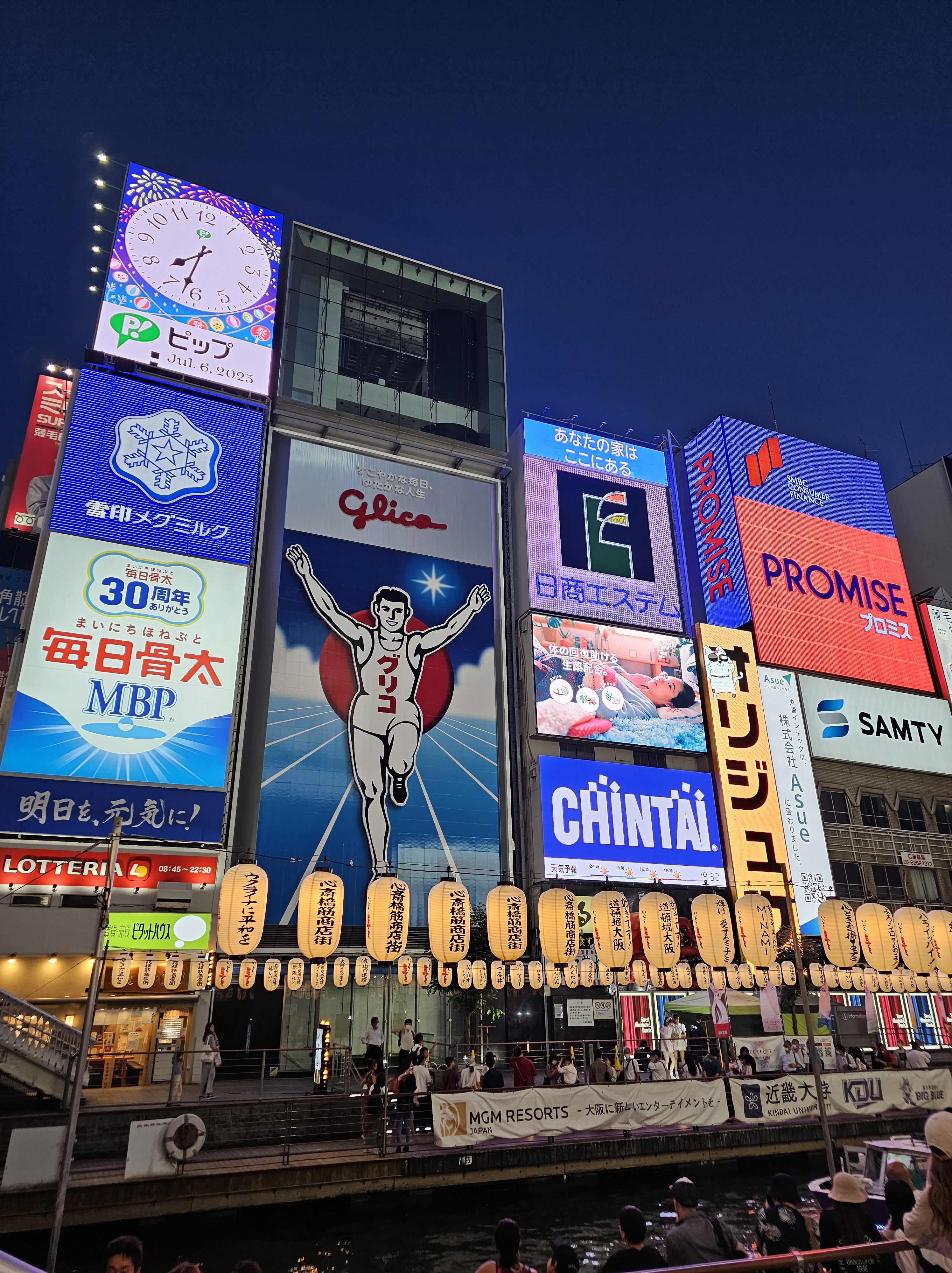
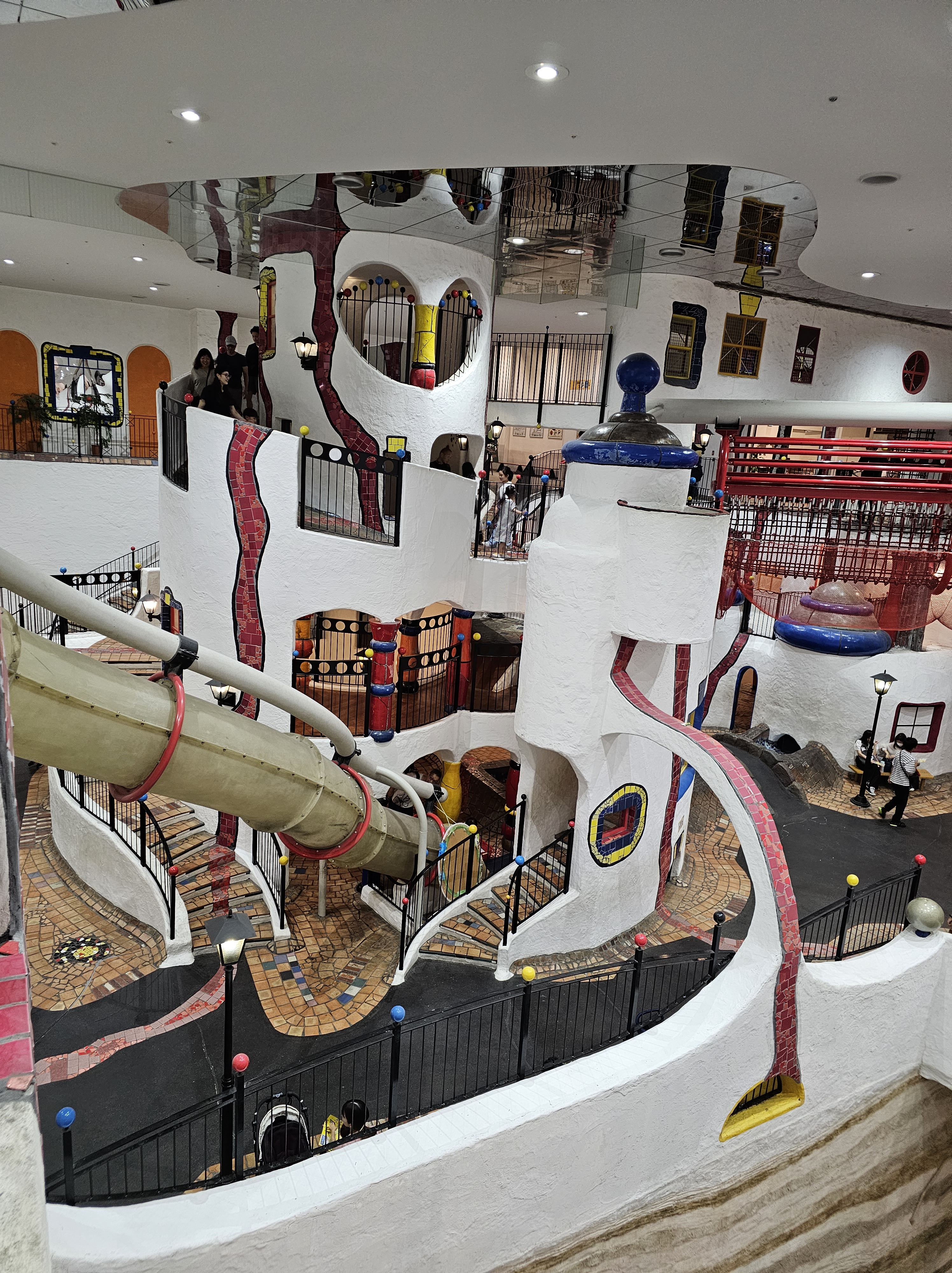
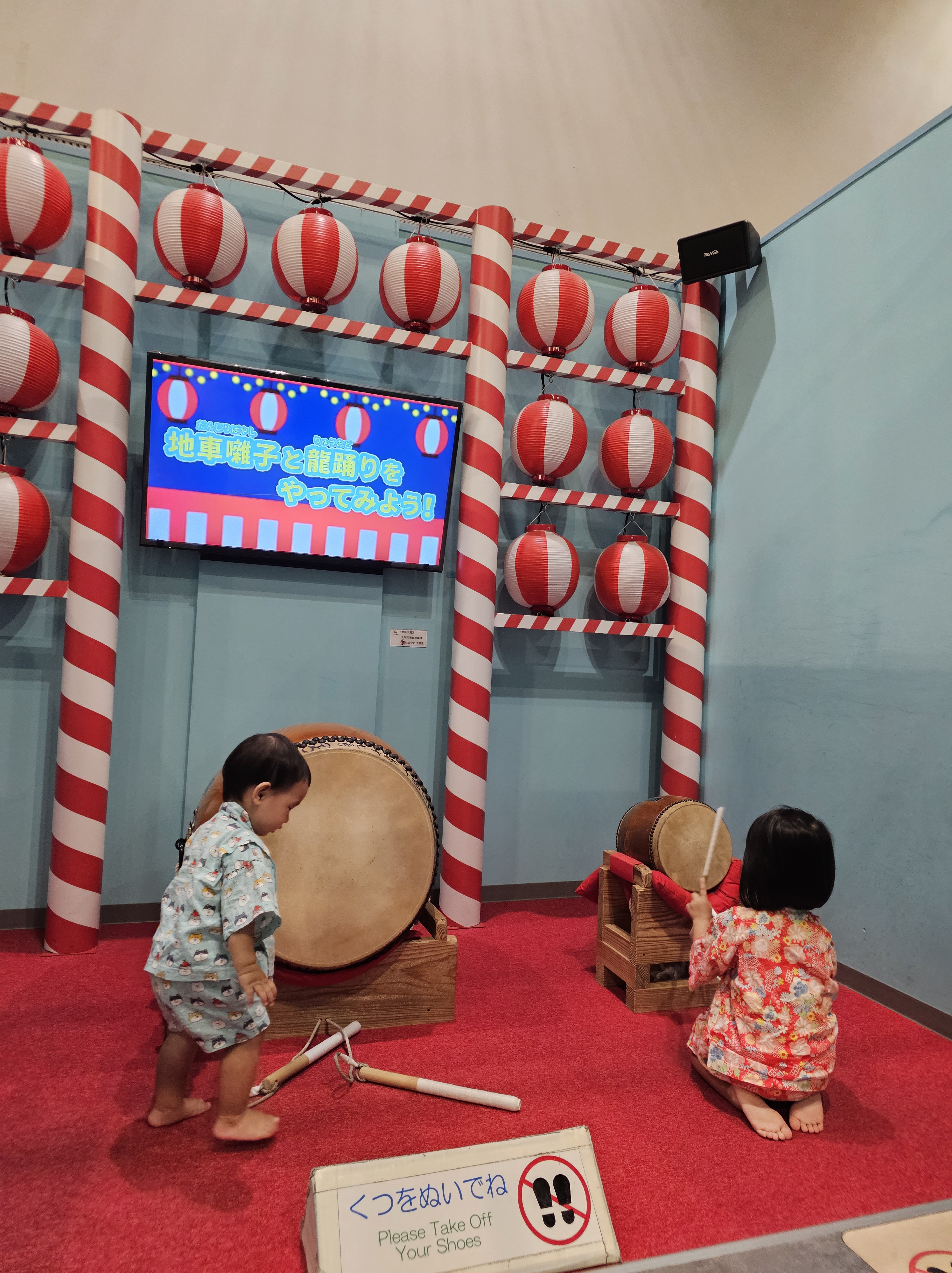
Sights: Osaka is accessible by subway, but we still found it more effiective to do activities in clusters. Heading north, we visited a new interactive aquazoo experience NIFREL which is part of the Expo Commemorative Park (popular for picnicing during Sakura season) and ExpoCity Mall project. You get to see the animals upclose and personal with minimal barriers, and its accentuated with light and sound features. If not too hot, there is a small amusement game ride area ANIPO right outside. Come early to get parking. On the West side of the city, Tempozan is host to the Osaka Aquarium and Santa Maria Cruise. Right by the port it lends for a nice waterfront walk, with many family friendly lunch options in Tempozan Harbor Village. Don’t bother to visit Lego Discovery Center; its small and we have an even newer version in HK. We spent a day around the Umeda area; first visiting Kids Plaza which is a childrens’ museum best for 2-6 year olds. Most families came prepared with bentos to refuel as the kids tackle 3 floors of activities; I went across the street to Tenjinbashi Shopping Arcade to grab a simple meal for us. Ogimachi Park is right outside, from there it’s a short walk to Nakazakicho a boho neighbourhood with many tiny stores and cafes (which close early before 6pm) and you can land in Umeda after for shopping and dinner. When in downtown Shinsaibashi, eat the street food of Dotombori and be sure to plan ahead and pre-book tickets for the Tombori River Cruise (line up at 10am opening near the iconic 100 Yen cheese pancake for tickets). What we did not have time for – Kidzania, which is a career experience where you can drop off the kids as they learn different occupations (only 1 day a week for English session). Universal Studios Japan, but we were not brave enough to go during the summer crowds and our children were too young for many of the rides. Osaka Castle, as my kids were very tired of cultural sites after Kyoto. The Cup Noodle Museum was a bit out of the way if you have time, also heard great things about ninja experiences that can be booked as a family.

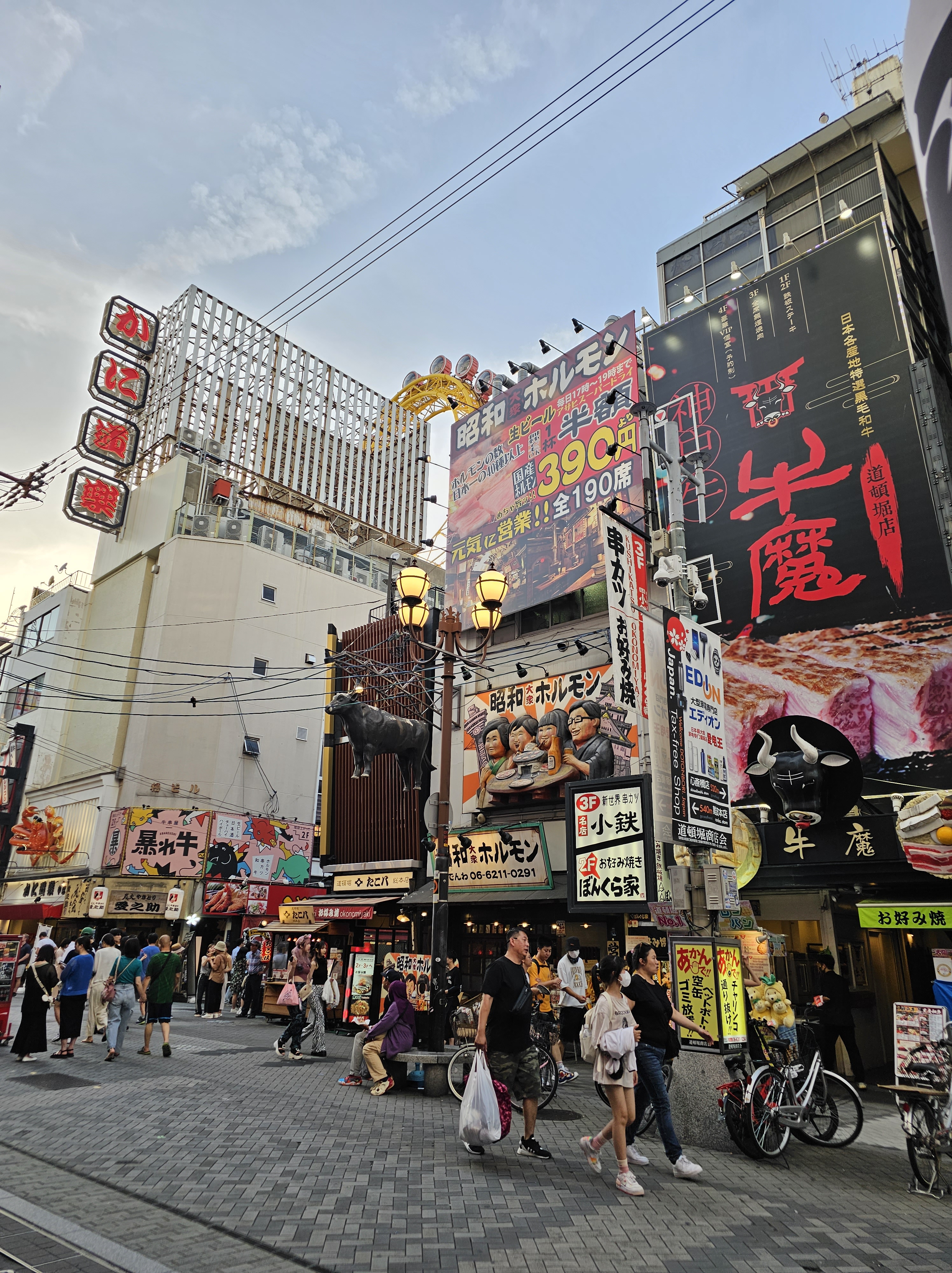
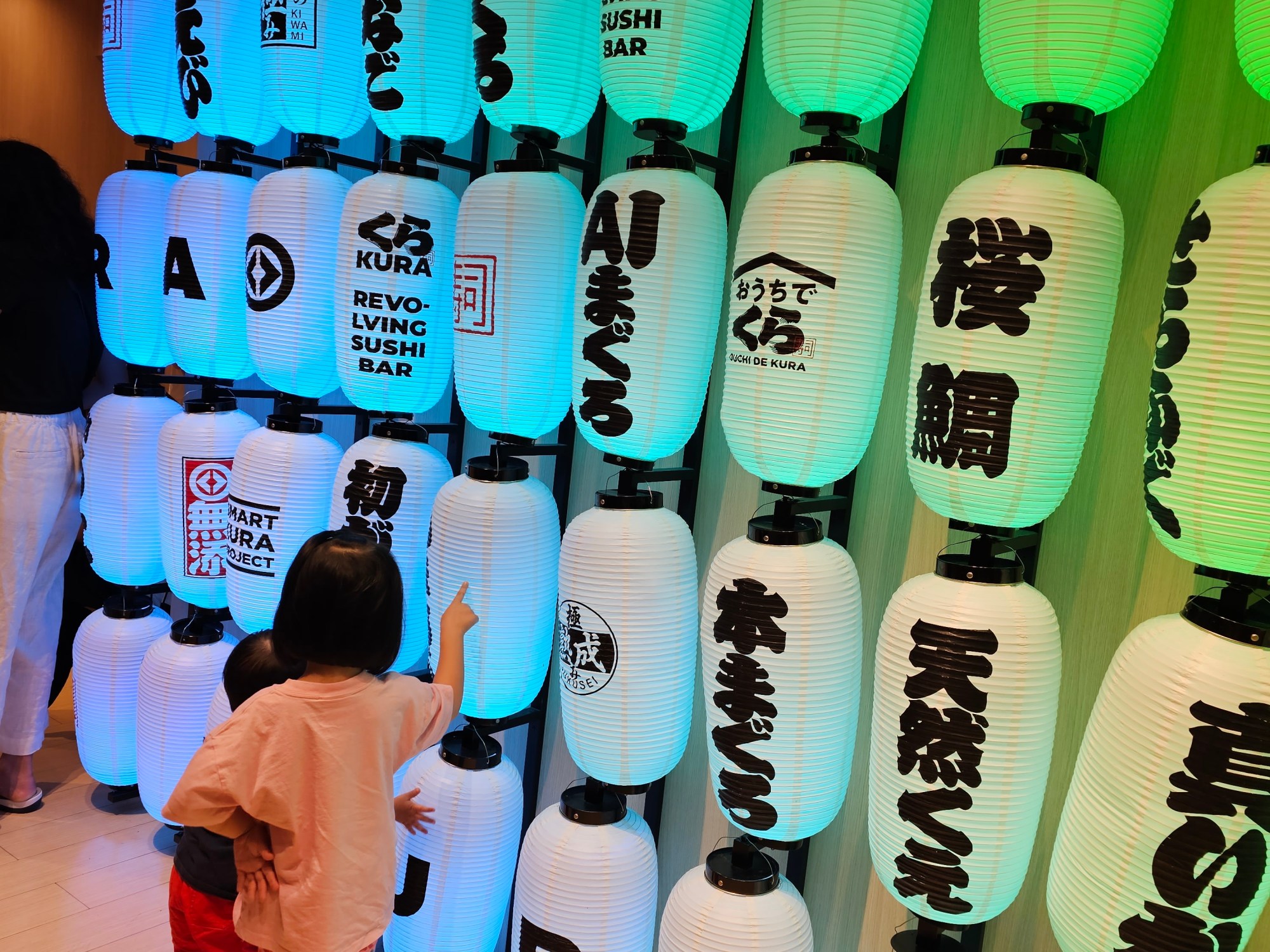
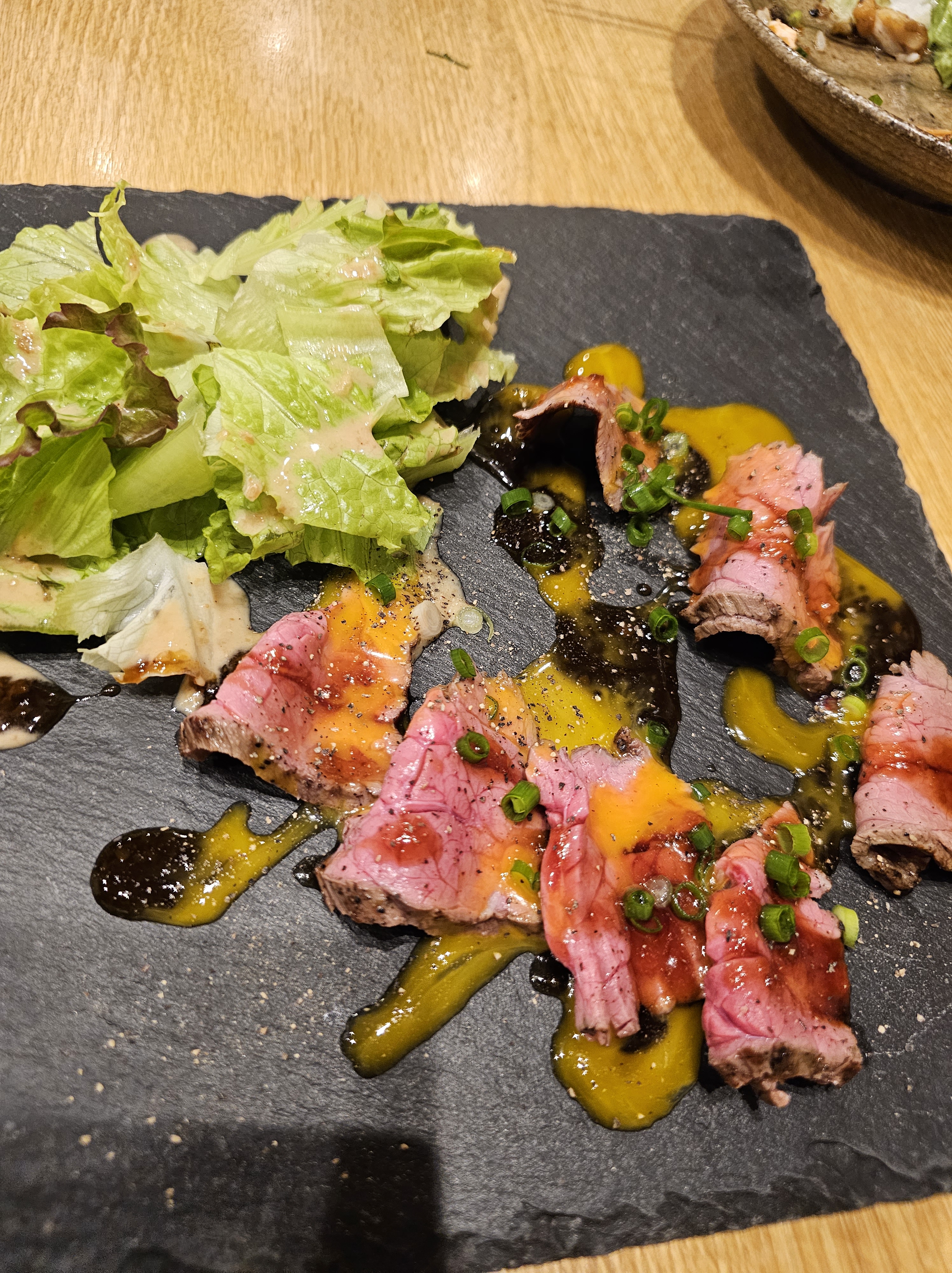
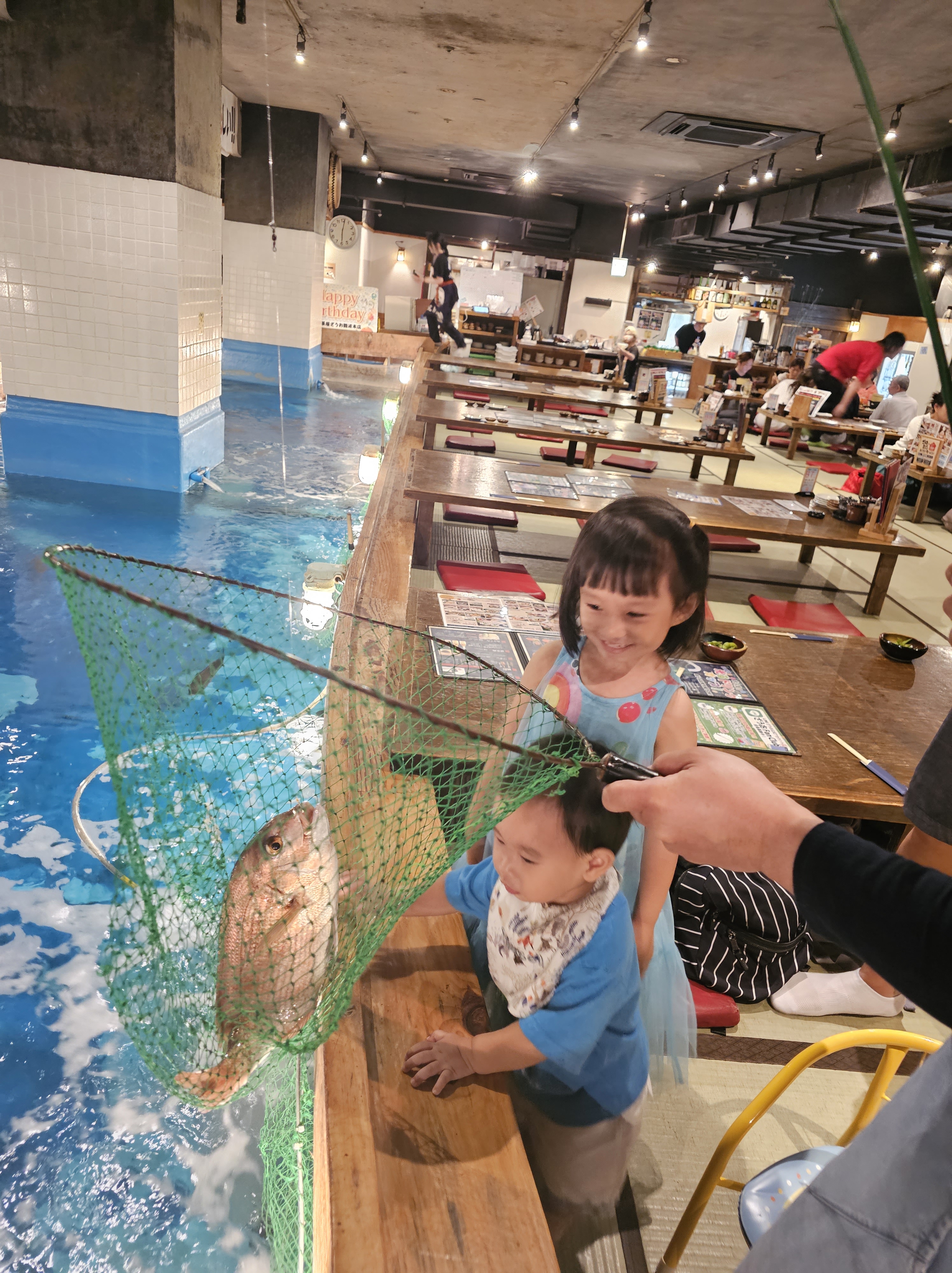
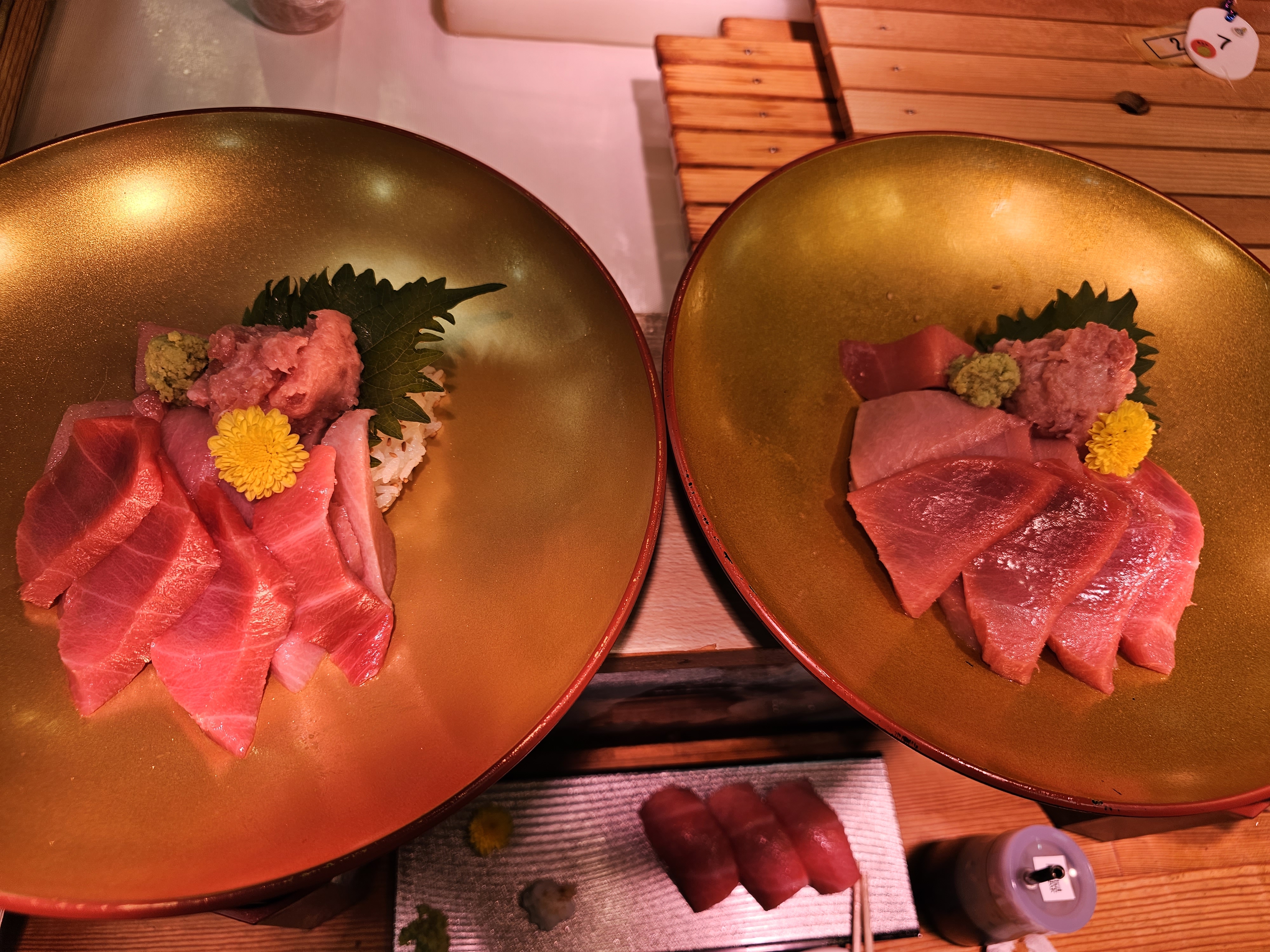
Food: We went for fun options, and Zauo Fishing Restaurant was most certainly a destination in itself. Book to sit on the boat and ask for fishing rods. They come with a small bait, if you fish from the boat you can use bait, but if you go directly to the ground level up close you need to hook them bait free (which still isn’t that hard). Once you catch a fish, you get 1) choice of how to cook the fish head, 2) two preparations of the meat. Do not recommend the sashimi (a bit chewy), our favourite was the deep fried version which was light and crispy. You can also gather live clams and shrimp which can be prepared fresh for your table too. Incidentally this is near the Kuromon Market which is Osaka’s equivalent of Tsukiji and opens between 10am-4pm with various seafood options and other street food. Head all the way inside, and towards the back you will find Maguro Kurogin which has the most buttery bluefin tuna you can find. We ordered a combination of Otoro (sashimi), Chutoro (rice bowl). Family friendly sushi I would recommend Kura Sushi in Dotombori, modern and techy conveyor belt style but be sure to arrive before 6:15pm to beat the crowds (also good stop to eat before taking the night night Tombori River Cruise). We tried a few of ramen spots – Kinryu Ramen and Hanamaruken Namba Hozenji are popular with lines and wait a bit more reasonable than Ichiran. In Osaka, English menus are not a standard option; be sure to check before you enter (also if there is a minimum spend) – we sat down at a beef restaurant for yakiniku only to learn it was Korean barbeque!
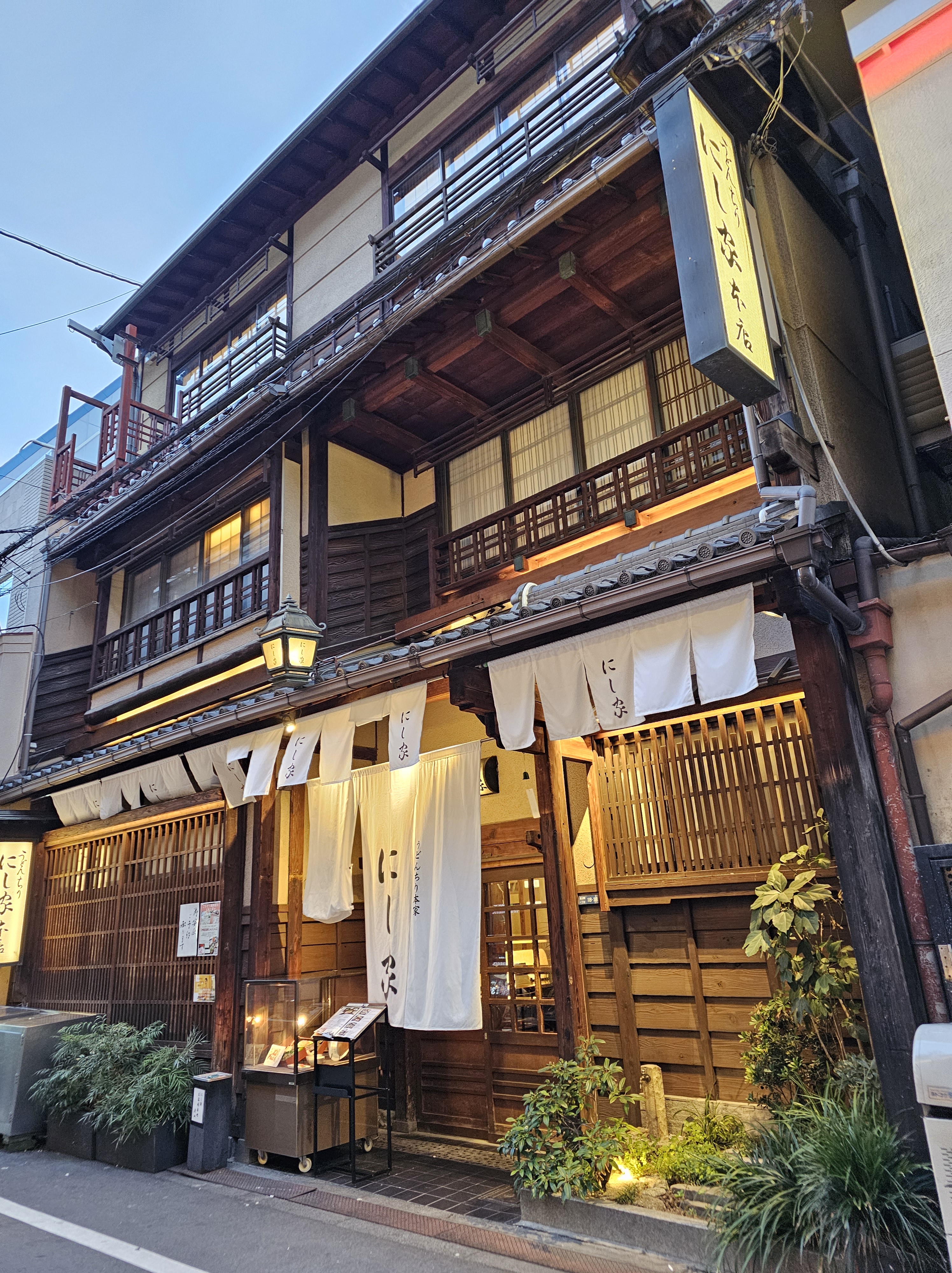


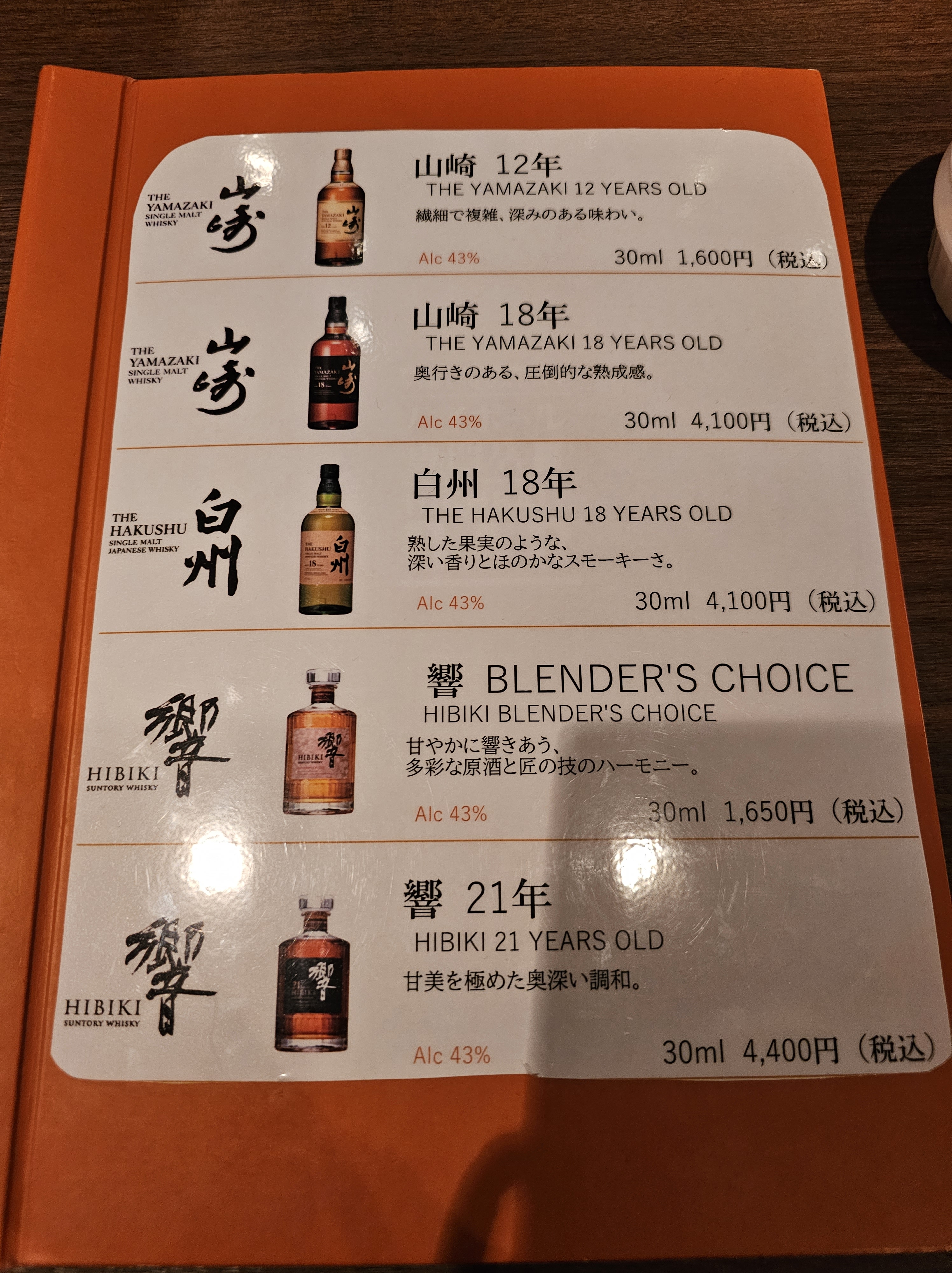
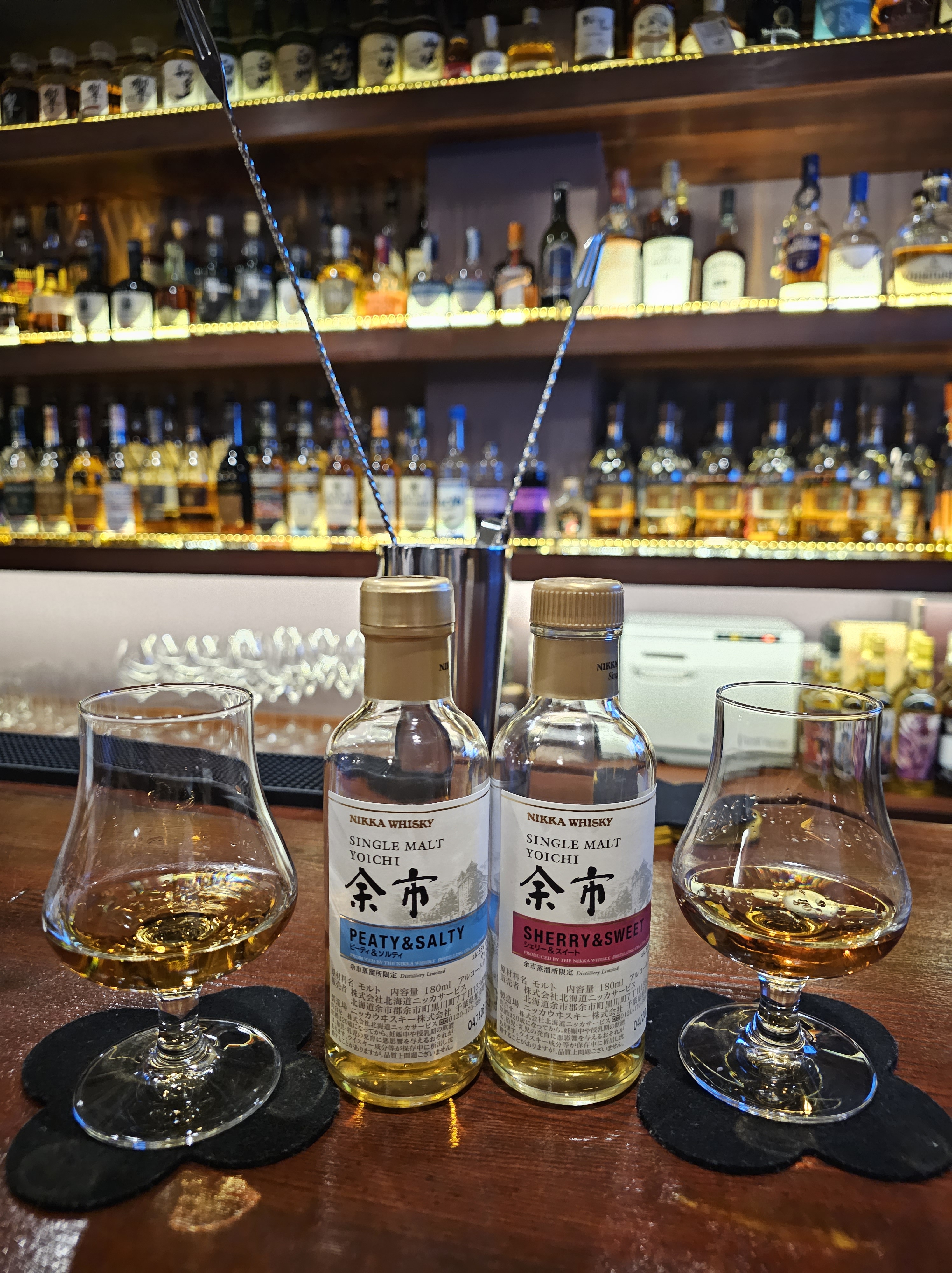
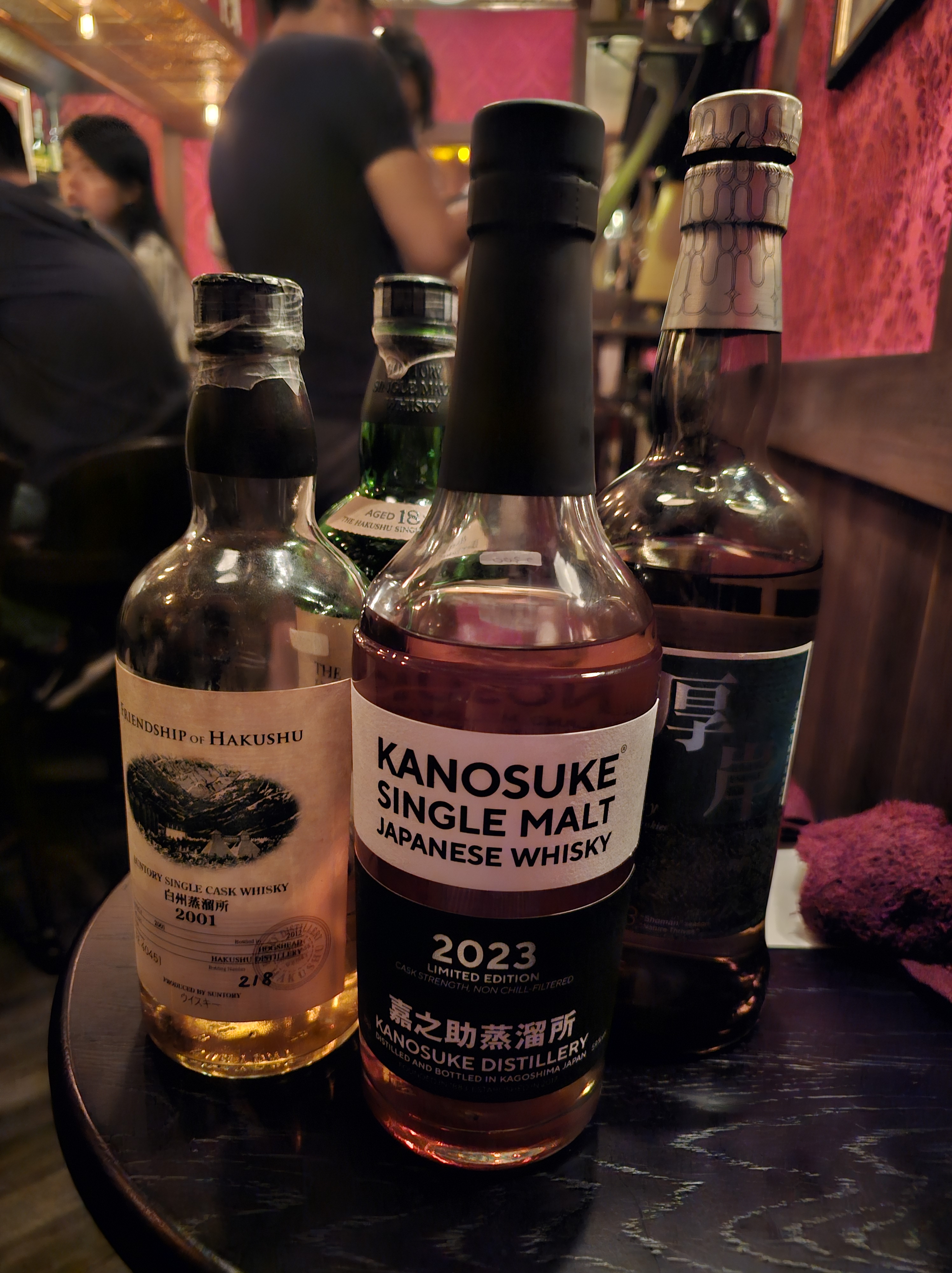
Drink: Follow @whiskywindow for more, but we made a few stops at Bar Expeage and Bar Shiki (no menu, good cocktail options) and Suntory Highball Bar 1923 (very affordable pours of Hakushu and Yamazaki). We tried to check out Bar K but they were full up on Saturday night (book ahead). Unfortunately Suntory Yamazaki Distillery on the way to Kyoto was closed for renovations this summer, that will surely be a stop for us in the future. Lucky us, we were able to find a few bottles of Nikka (Woody and Vanilla / Salty and Peaty) and Yamazaki 18 (new bottling) in the small shops of the alleys in Shinsaibashi to take home too.
Hotels: We stayed at the Swissotel Nankai Osaka which is in a fabulous location above Namba Station which is a big conduit for rail lines and direct stop for Kansai Airport Rapid Transit. Walking distance to the buzzing Dotombori and Shinsaibashi areas, it gives great options for eating and shopping and feels a bit less corporate than Umeda CBD which is mainly shopping malls and office towers. Rooms are a bit dated, but they have affordable overnight parking (access via Namba Parks carpark entrance) and buffet breakfast on the top floor offers a good view of the city. Next trip will probably check out Fraser Residence Nankai Osaka which offers serviced apartment style stays right next door for a bit cheape
Shopping: Japan is exceeding friendly for tourist shopping, with in-city tax free processing even in regular drugstores and souvenir shops at the scan of a passport (as long as your invoice exceeds 5000 yen / US$35). I found Hankyu Umeda to be the best shopping experience – their additional 5% tourist discount coupon applies to a wider range of luxury brands vs Daimaru. That said Daimaru Umeda has a large Pokemon Center, Sanrio Store and Tokyu Hands which are great ways to keep kids occupied. Cannot leave Japan without omiyage (food snack gifts); I found the Hankyu Umeda basement food hall the best amongst peers, there you can find Baton D’or (high end version of Glico Pocky, offer special seasonal flavours), Grand Calbee (premium chips), and exquisite brands Tulip Rose or Tartine for the lady friends back home. More easily found in the city are Osakan Takoyaki, Otonomiyaki flavoured Pringles, Jababee and Calbee chips.
<Nara>
More stopover than dedicated destination; but the local deer do make this a worthy visit on the way to or from Kyoto. Nara is also the birthplace of sake – many places offer the chance for a flight sampling of local sake.
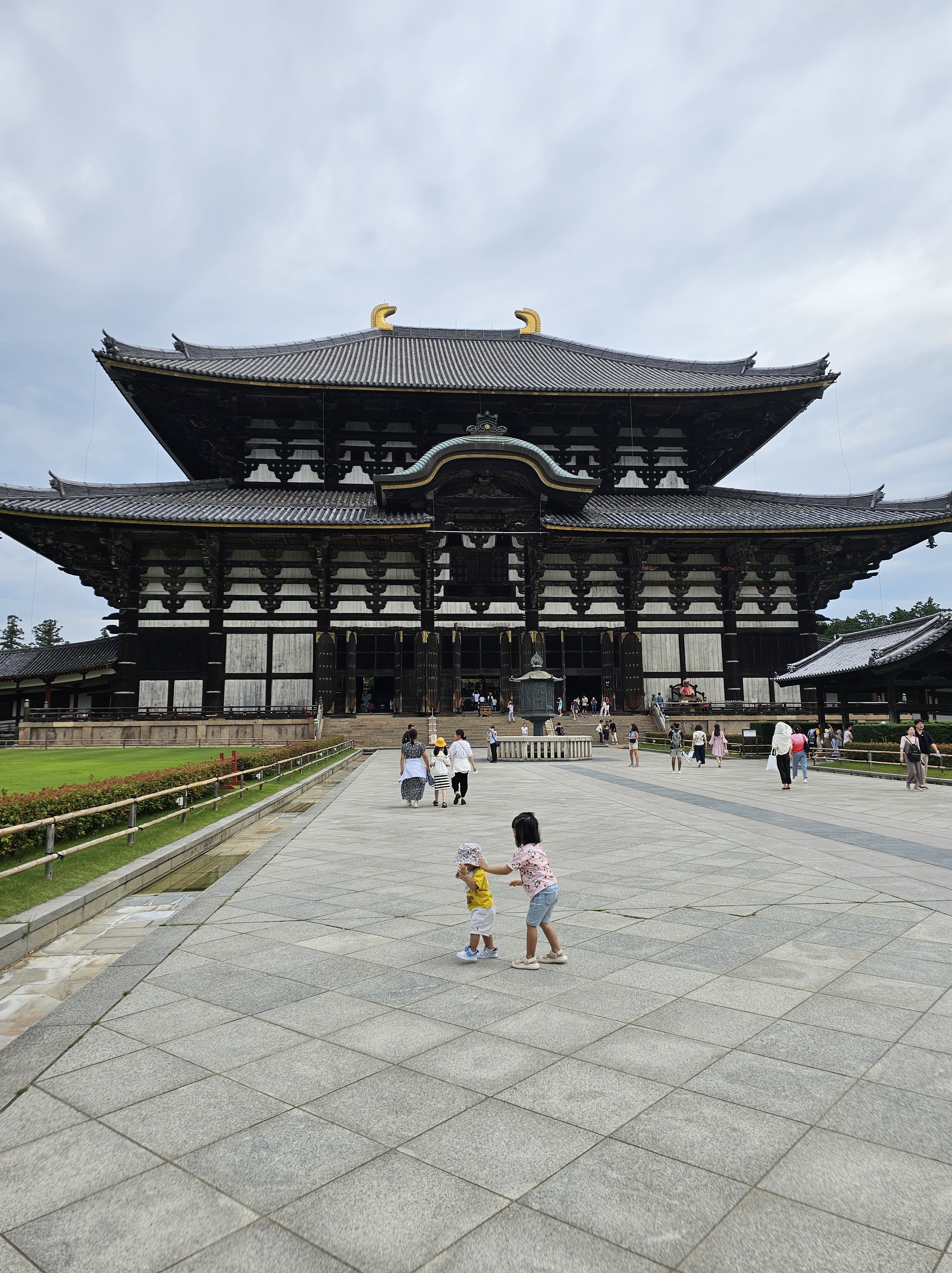
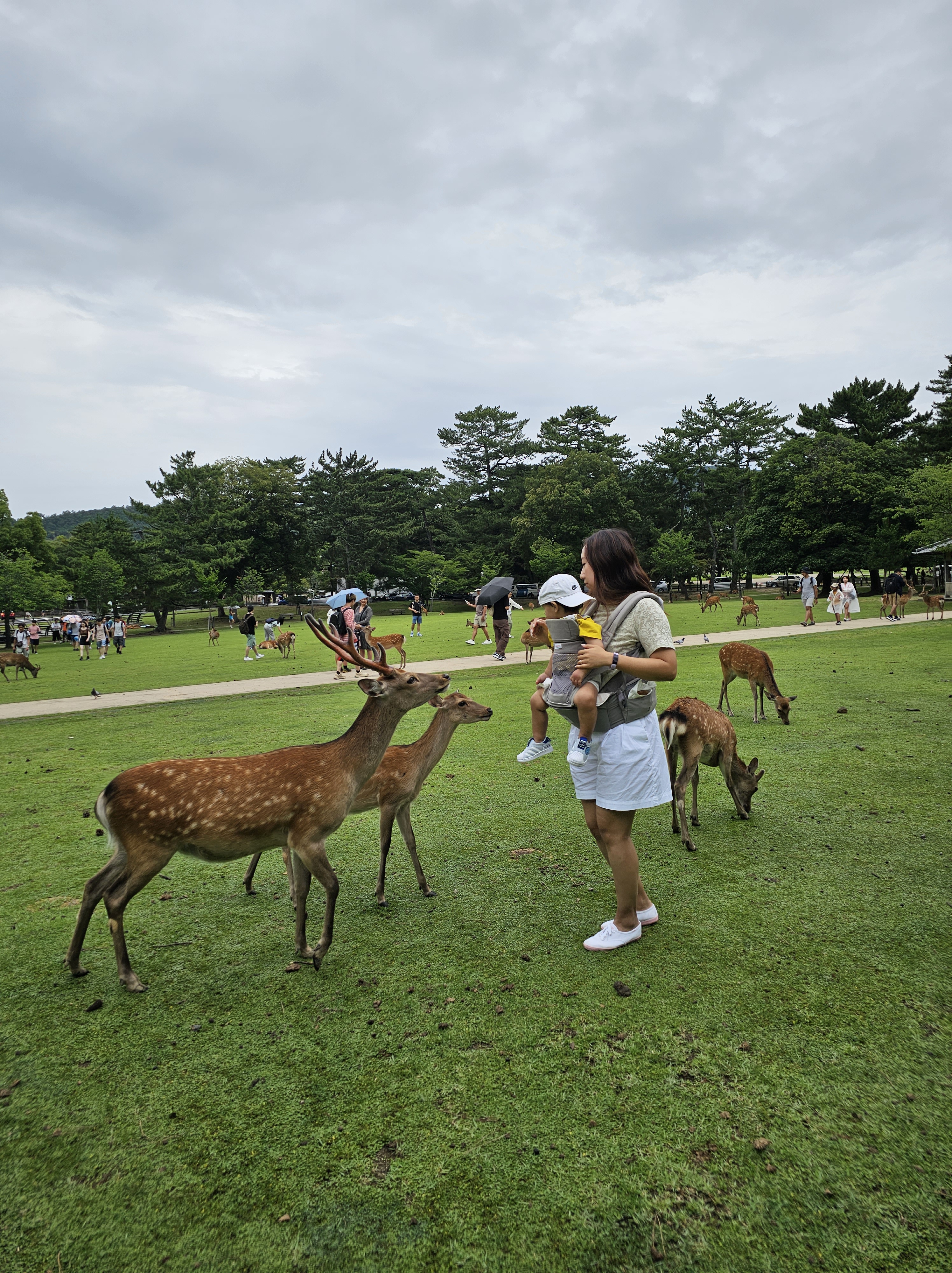
Sights: Todaiji Temple was once one of the most influential Buddhist temples in Japan, and until recently held the record as the world’s largest wooden building. Surprisingly, the kids and husband both enjoyed it immensely, with the children taking 2 turns crawling through the hole in the base of a pillar in the main hall. Trying to minimise steps we entered from the back entrance, but it might make more sense paying a one time 1000 yen fee to park at the Kofuku-ji Shrine and shuttling to the various sights from there. Deer roam everywhere (including the grounds of the temple), you can easily buy a pack of crackers for 200 yen from various vendors in the park. Suggest to break them into halves or quarters before you head into the park, a full cracker is too large for the deer. Hold the cracker patiently above their heads, and the deer will bow politely before you reward them with the treat. Best spot to see deer congregate would be Noborioji Park in the grounds outside the Nara National Museum.
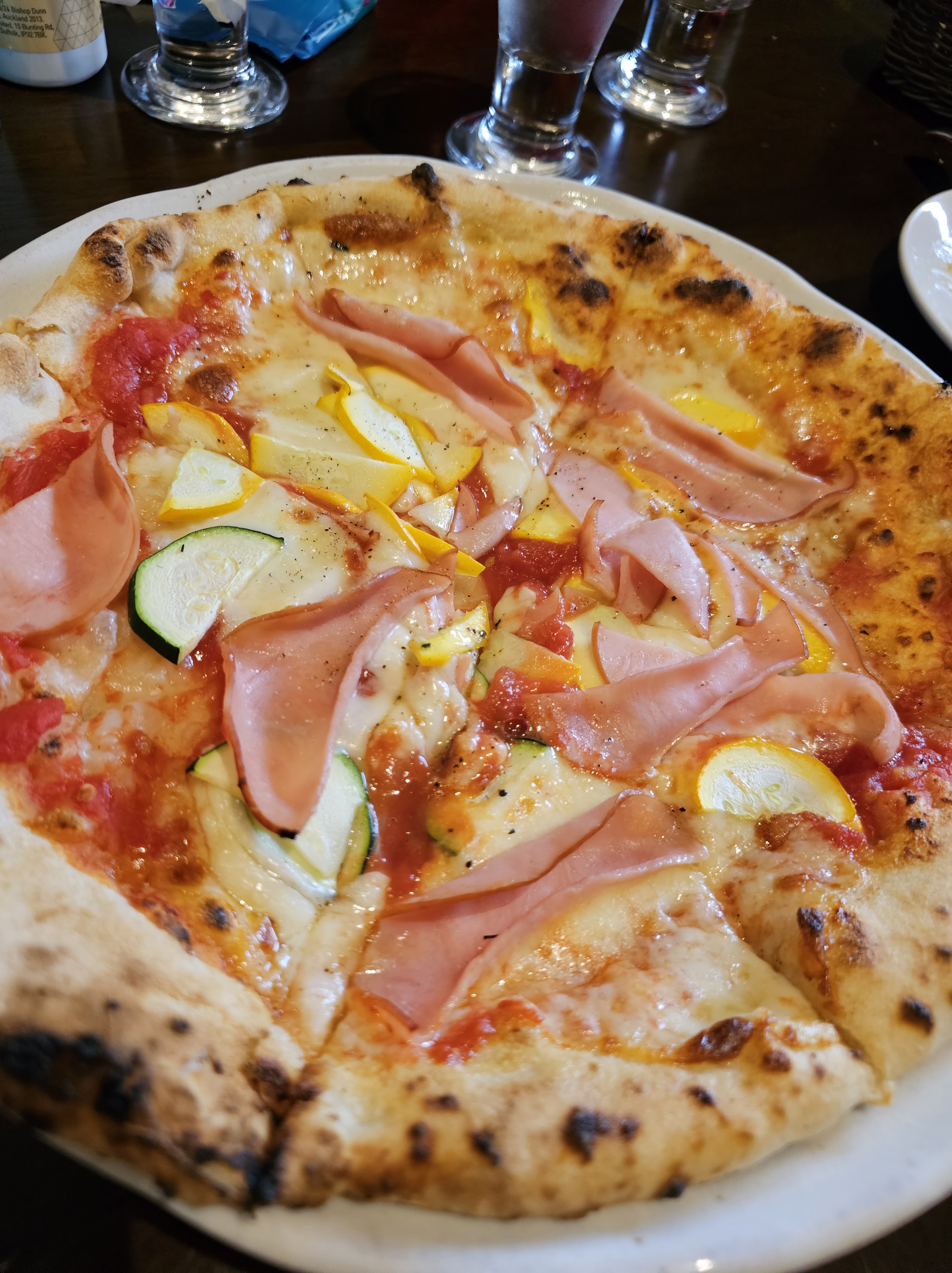
Food: Very unfortunately missed the opportunity to get lunch at Kinari Pizza as we were craving some variety from the Japanese meals all week (closed Tuesday, Wednesday). But plenty of options along Higashimuki Shopping Street, was more excited to line up at Nakatanidou mochi shop which served freshly made, warm mochi filled with red beans and covered in kinako roasted soybean flour. I have never had anything this dreamy! Would have been nice to eat at La Terrasse, a hilltop French restaurant, but was not realistic with young children.

Shopping: Started raining mid-day, only got to stop by Nakagawa Masashichi Shoten for delicate Nara craft souvenirs. We picked out a few handkerchiefs with various pattern of deer to bring home.
<Kyoto>
The cultural capital of Japan and close to Uji, the home of green tea. Even if taking the train, taxis are readily available as you jump between sights. Would be a dream to visit during sakura season or for the fall foliage; in the running for next luxury girls’ trip destination. Best to take things slow, find a quiet machiya and soak in the local atmosphere.
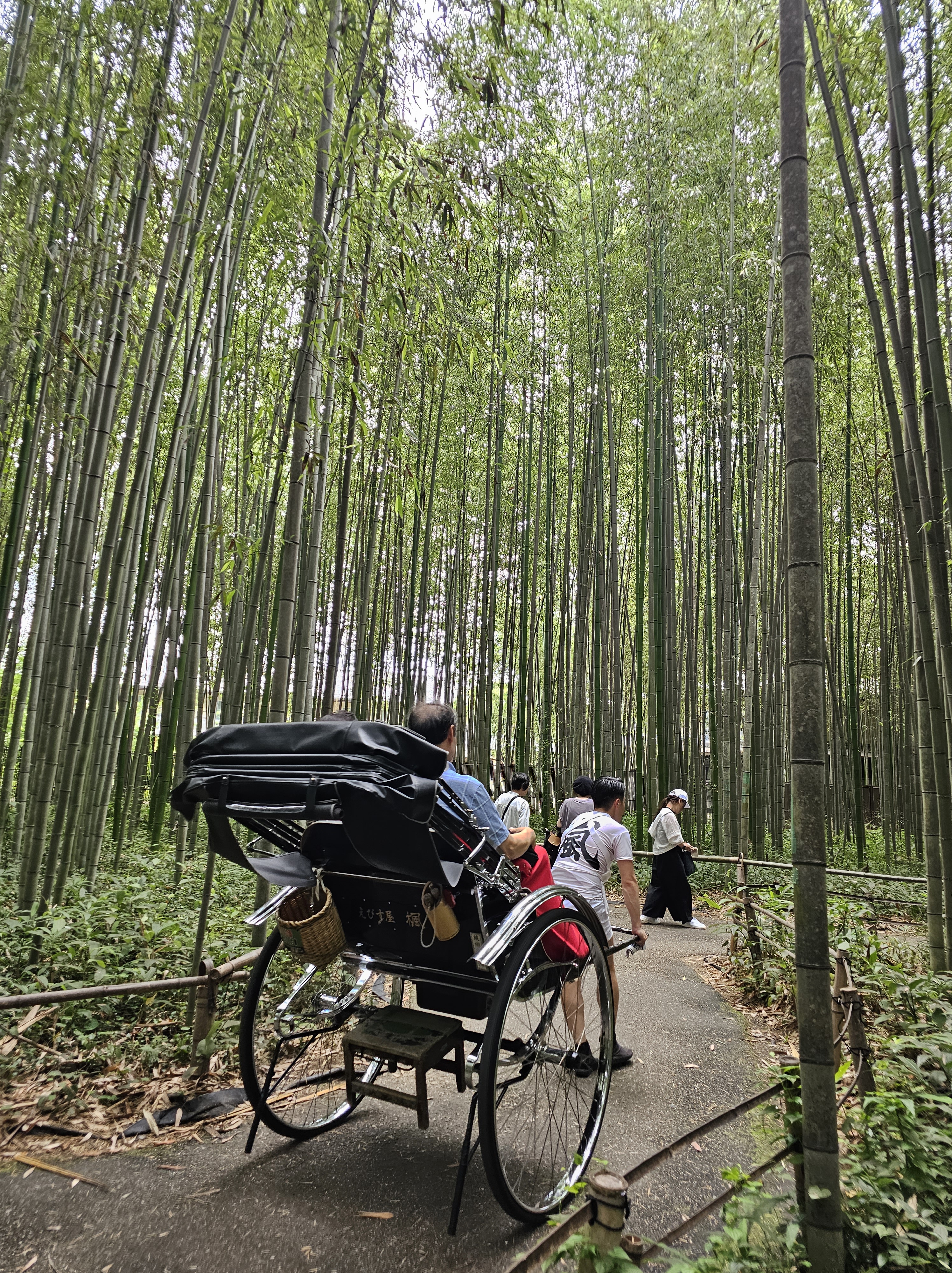
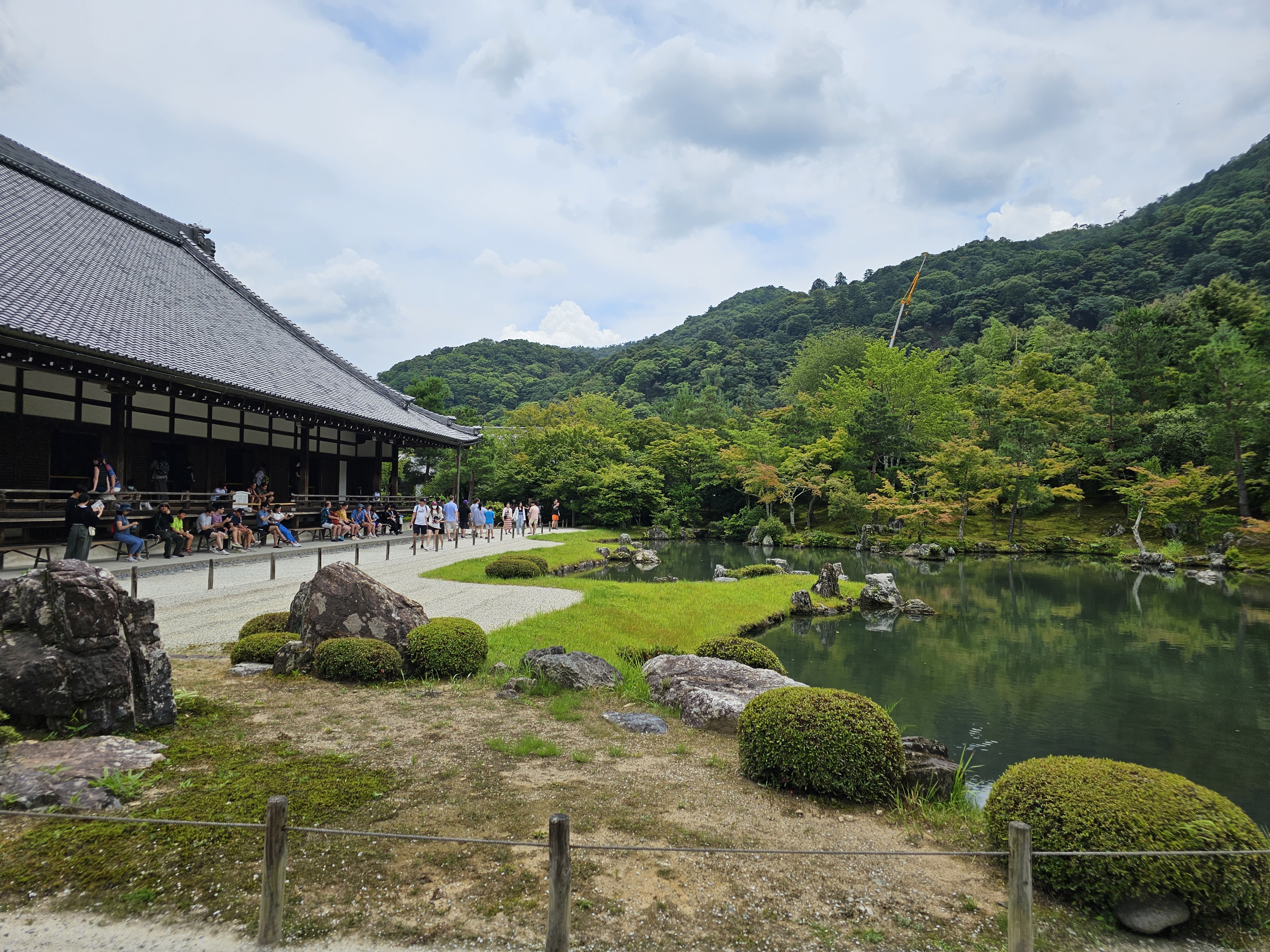
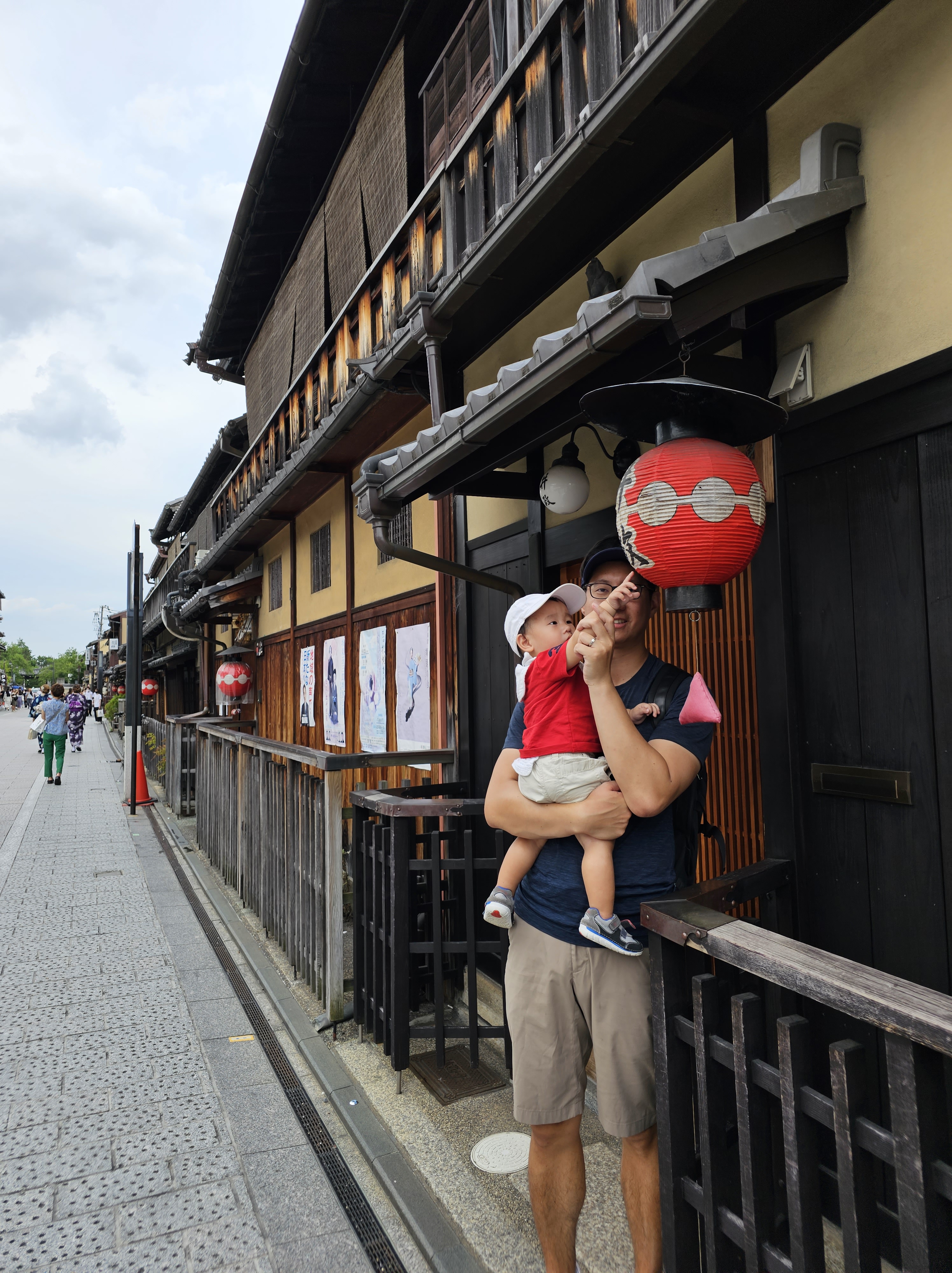
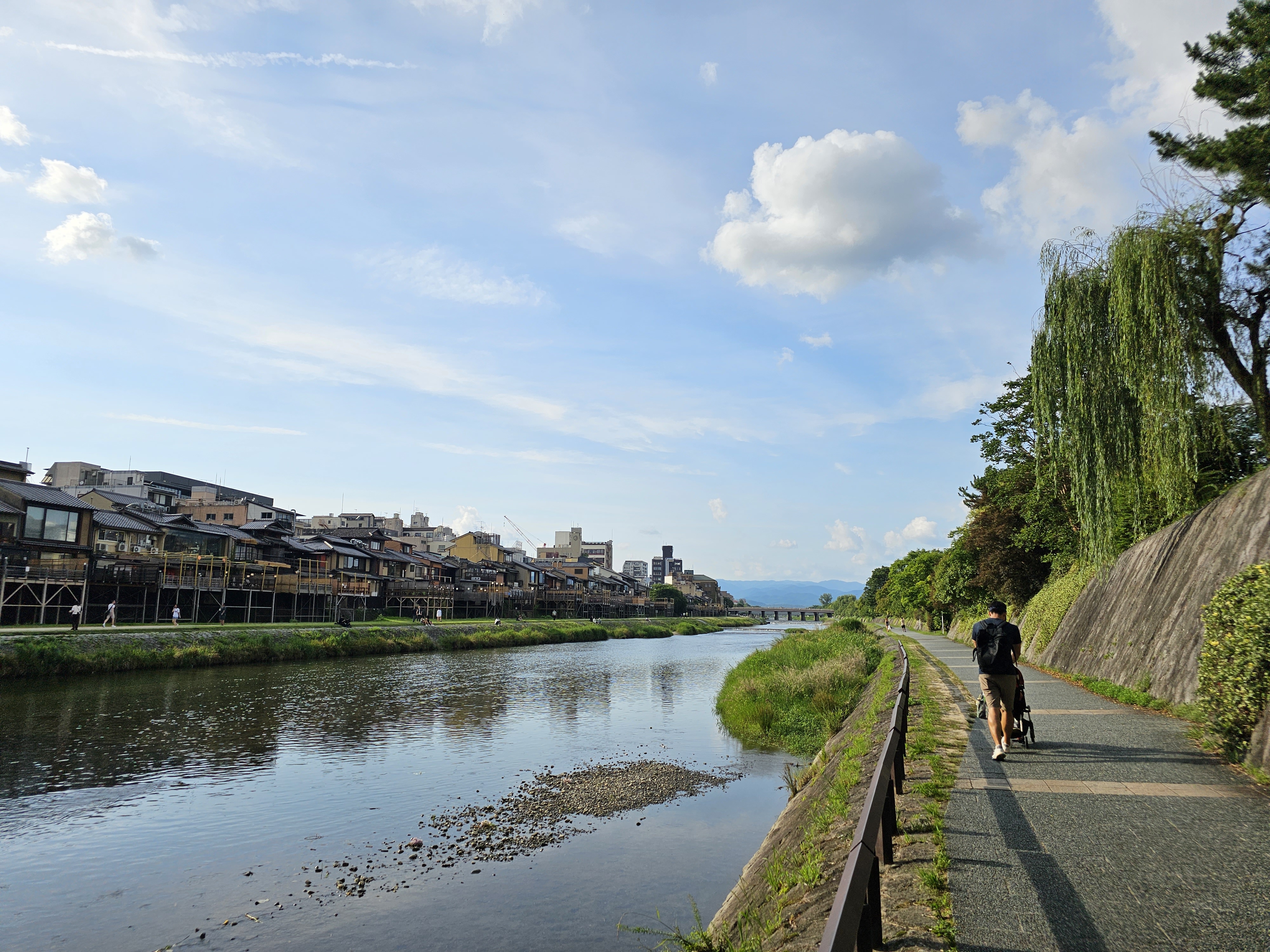
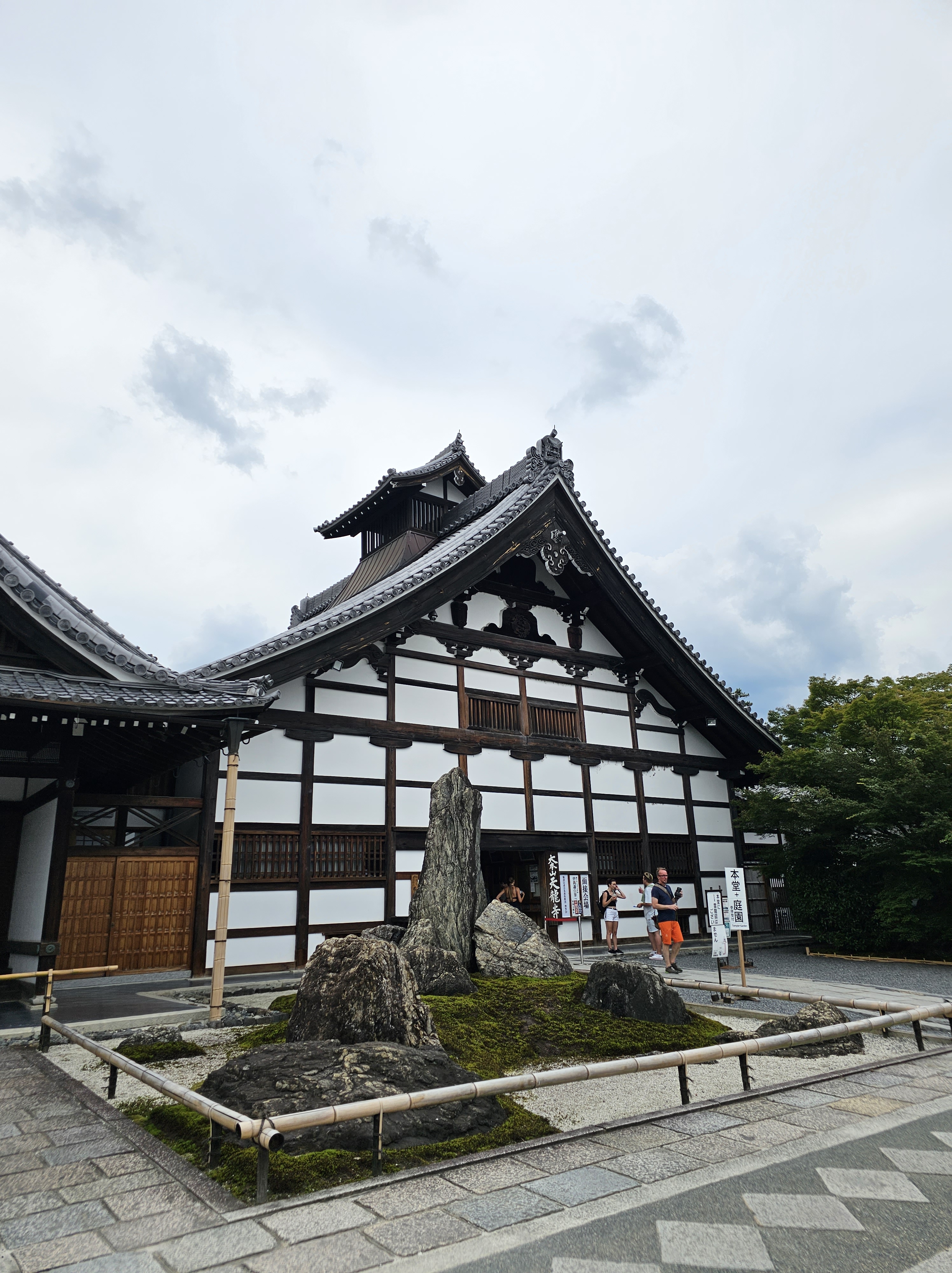
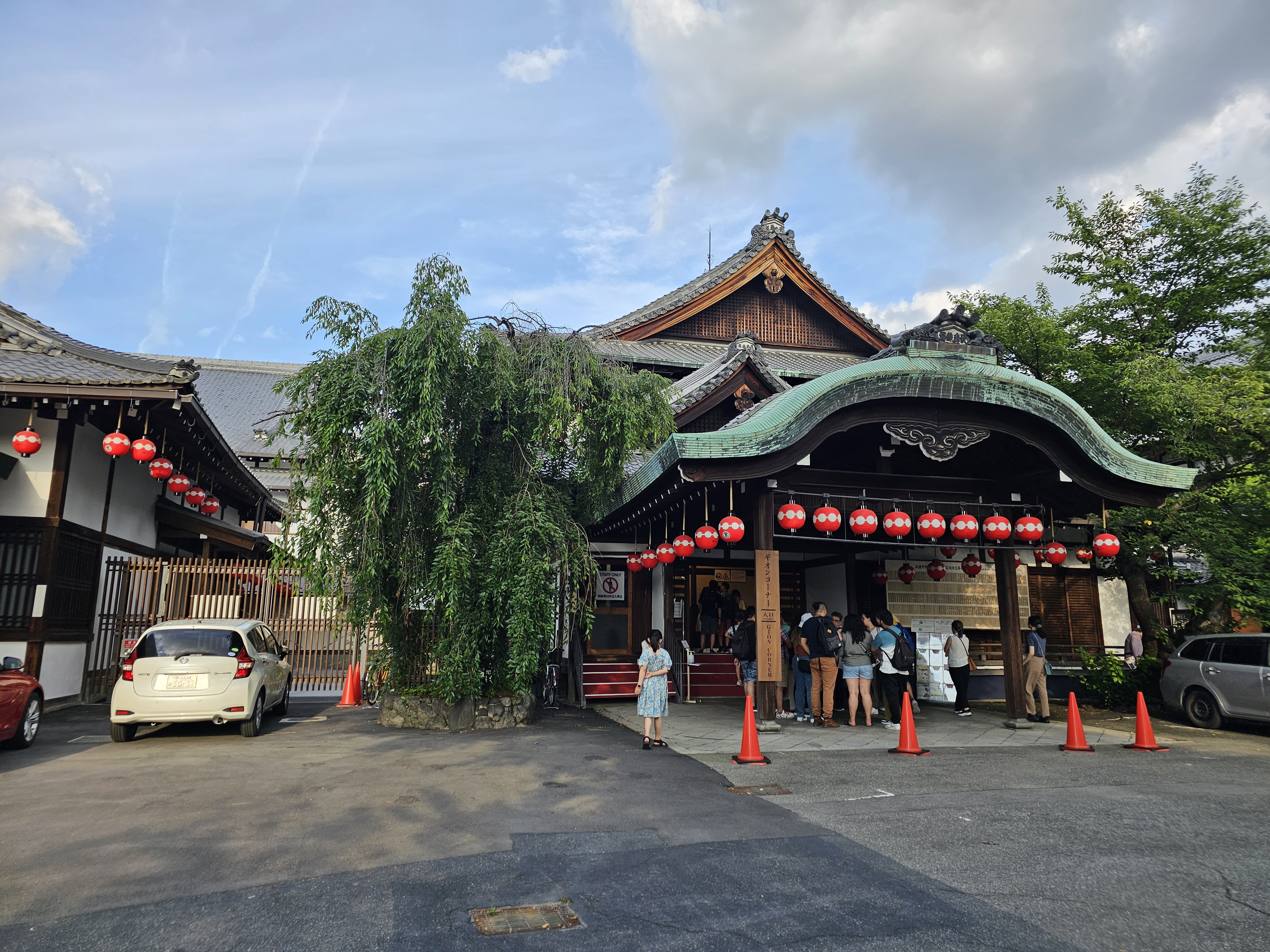
Sights: We started our morning with a drive into the mountains of Arashiyama. Although it was boiling in July, the bamboo lined paths were cool (but be sure to bring mosquito repellent). I found this side of town less touristy, and one could easily spend a full day just strolling the little stores and cafes. There is a monkey park across the Togetsukyo Bridge; walk over to enjoy the terrace waterfalls along Katsura River (or reserve a river view lunch at Arashiyama Itsukichaya to take it in). Visited Tenryu-ji Temple gardens to enjoy the manicured grounds and a light exposure to local architecture, but the kids got hungry early so we missed the other classic heritage sights such as Fushimi-Inari-Taisha Shrine and Kiyomizudera Temple as things are quite spread out. Spent the rest of day focused on local eats and strolling the alleys of Gion plus a sunset walk along the Kamogawa Riverside. Stumbled on Gion Corner as we parked right outside; will try to watch a cultural show there if we return.
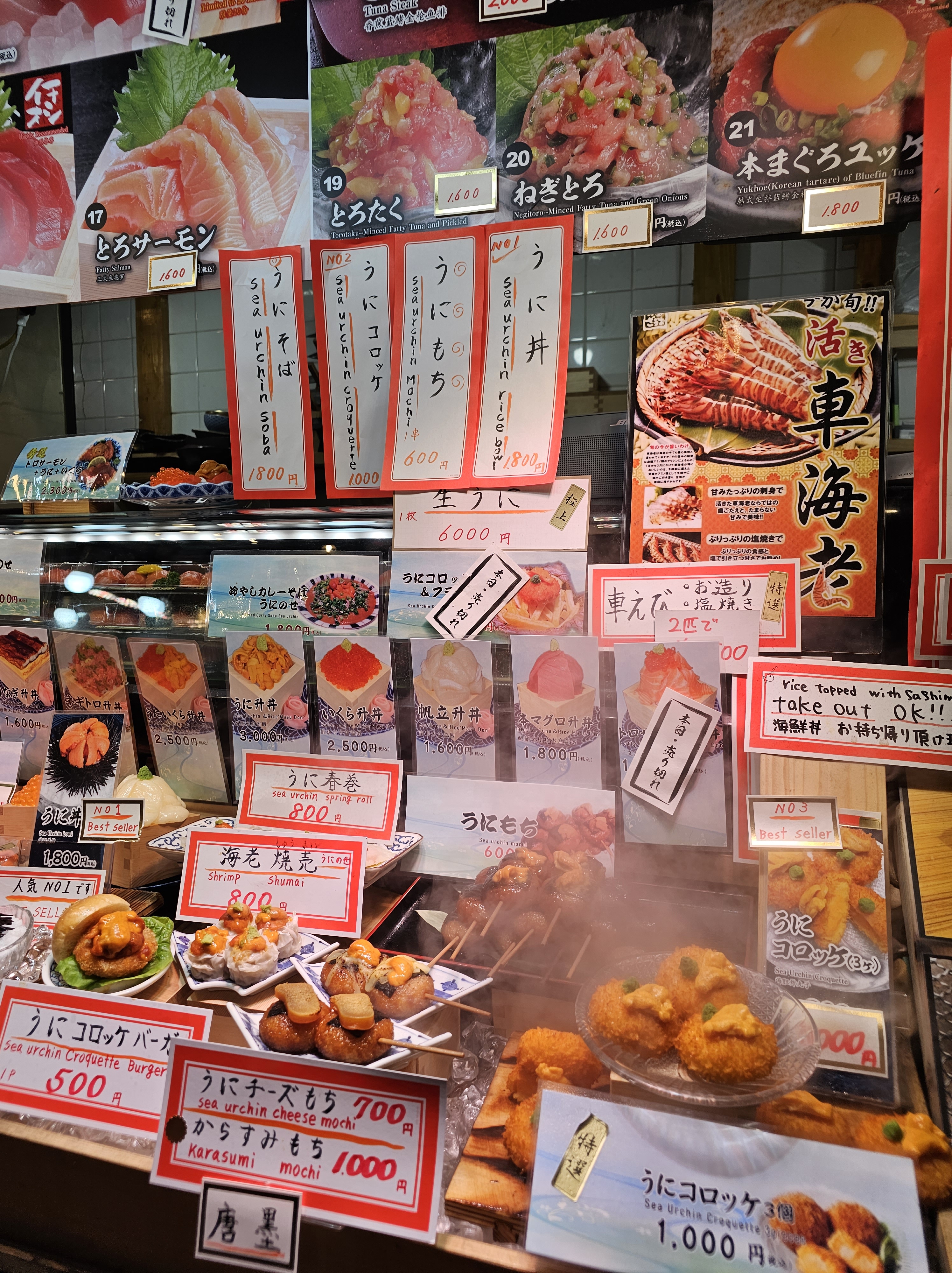
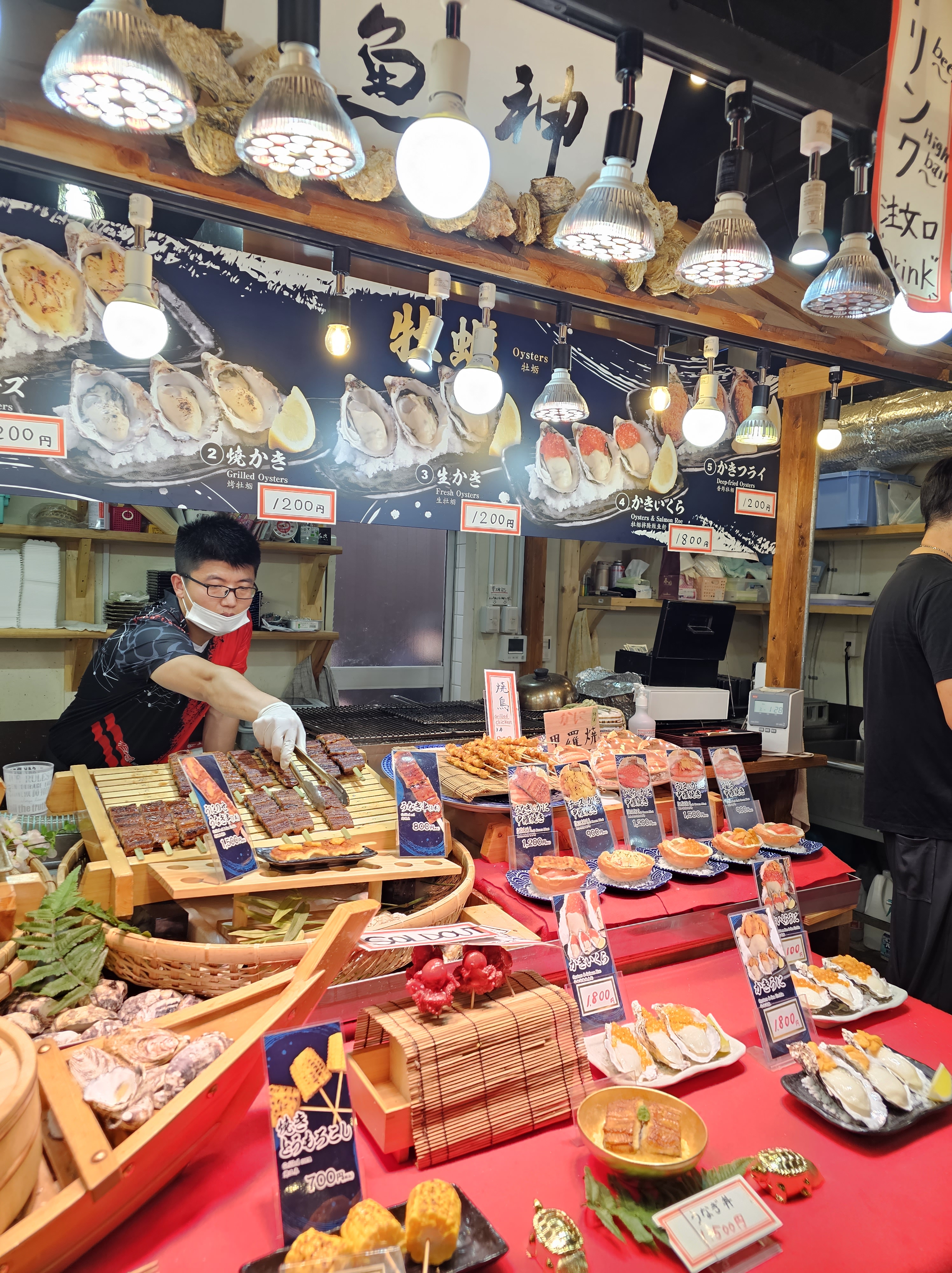
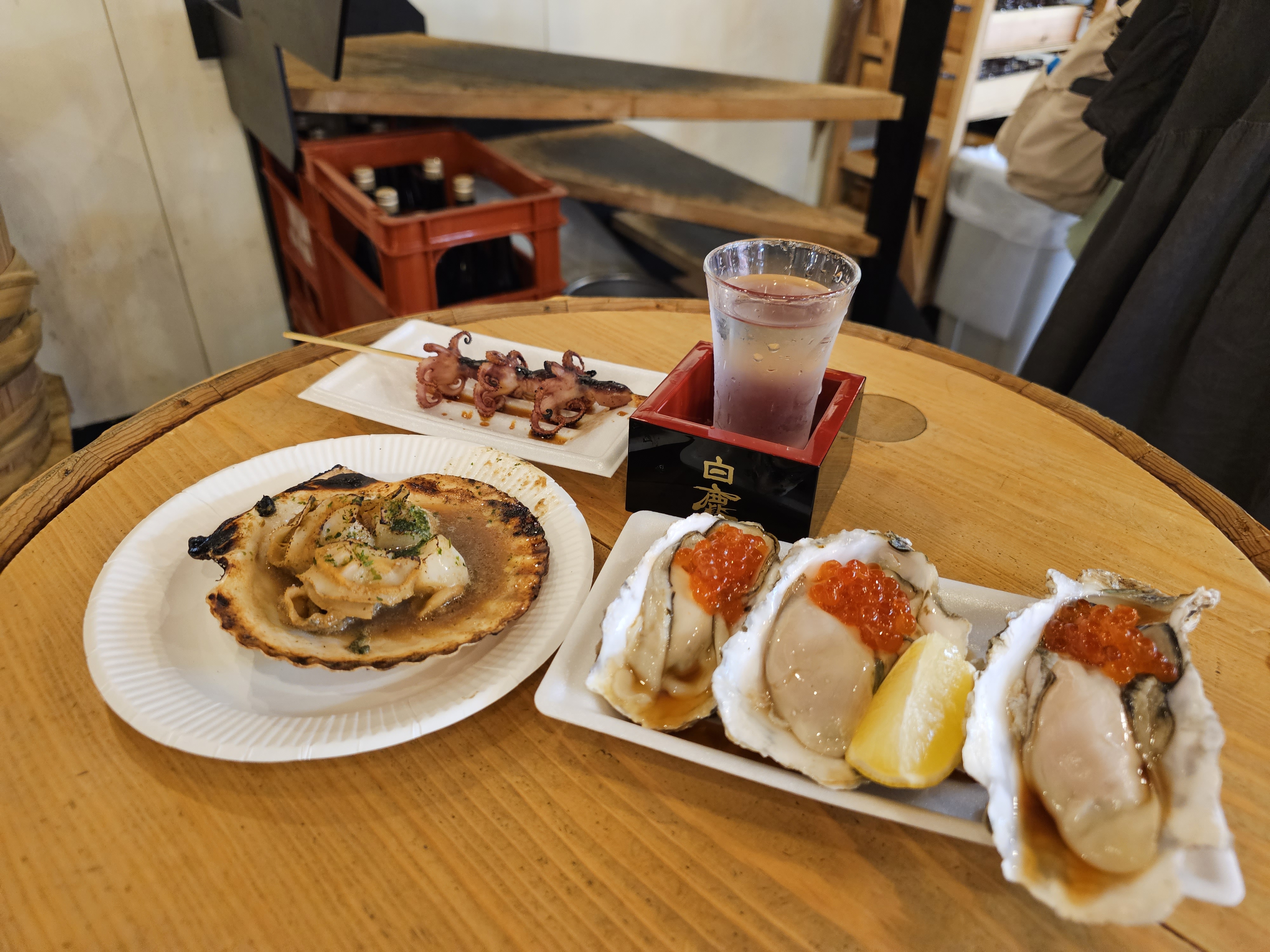
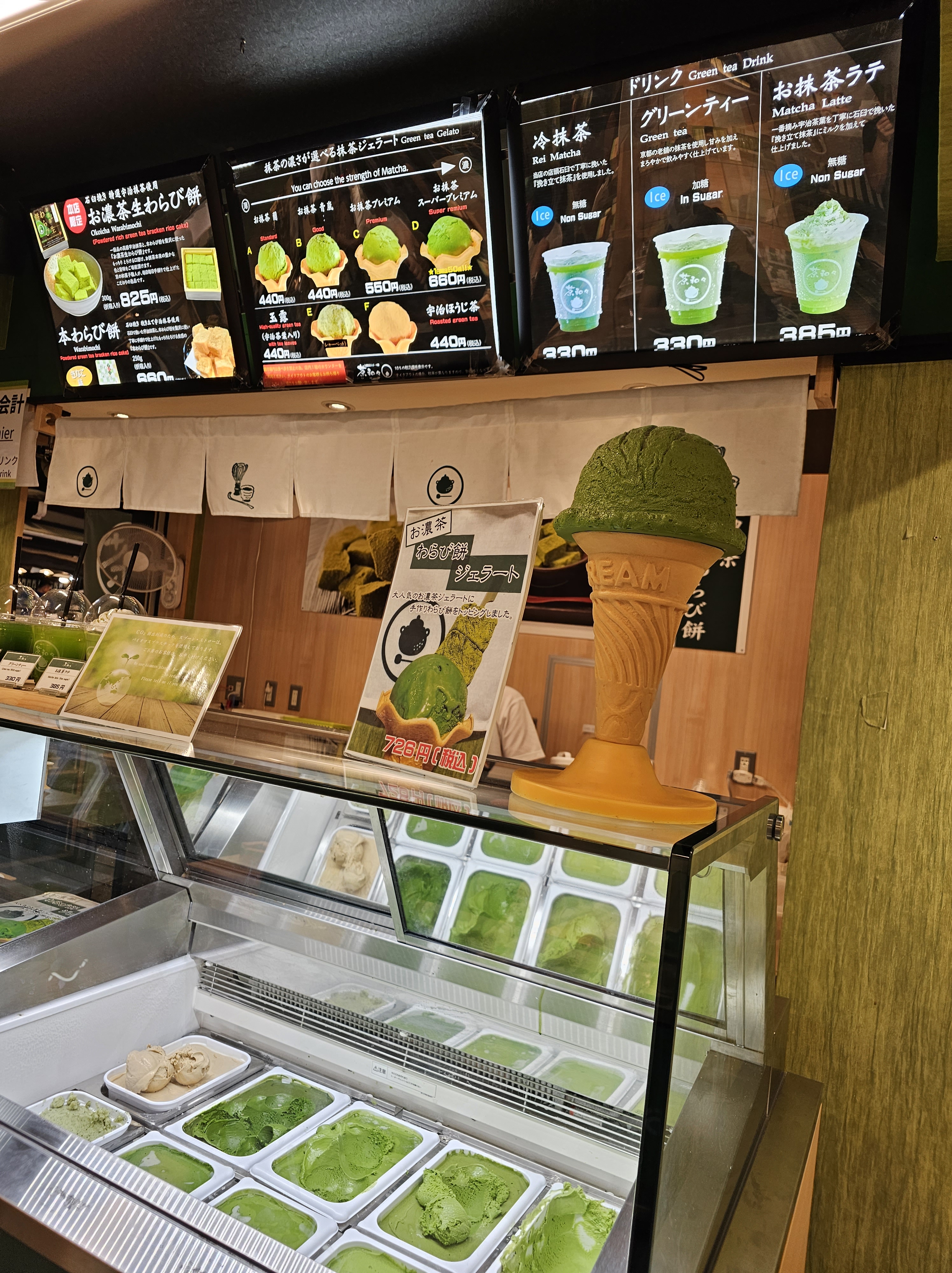
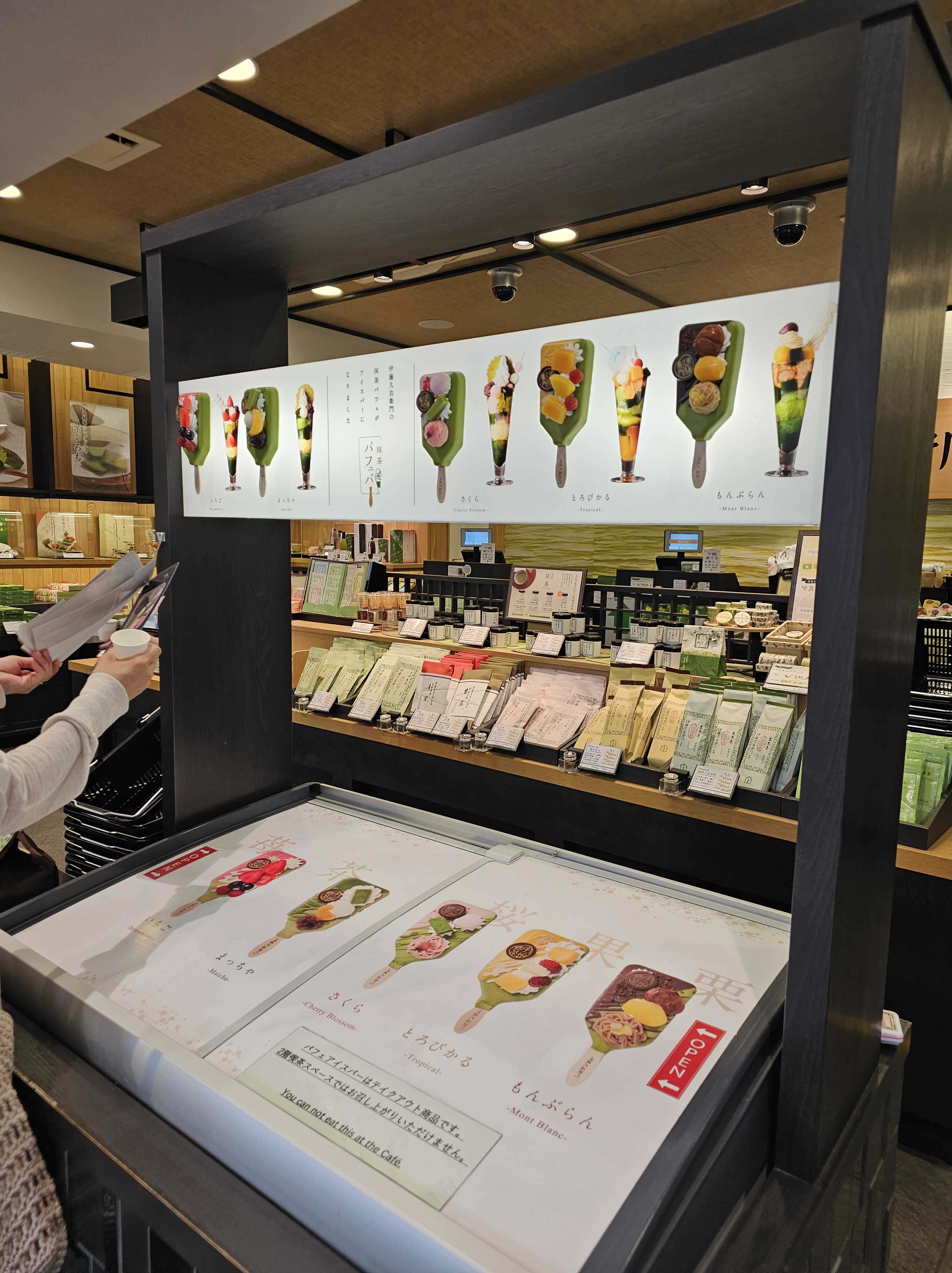
Food and Drink: We couldn’t seem to leave Nishiki Market. Starting from the top you can get freshly toasted senbei at Okakidokoro Terakoyahonpo – my favourite was the Togarashi for its kick of spice. For sweets, check out Konna Monja for its light freshly made soymilk doughnuts (we added a dash of chocolate sauce) and Sawawa which offers an intensity scale for its green tea ice cream (we scored the last of their signature green tea mochi tart that day). Hanayori Kiroe for yuba croquette, we also had lots of fresh oysters, uni and crab leg tempura along the way. In Gion, made a point to shop at Tsujiri – one of the oldest names in Uji green tea. We also had afternoon tea at Itohykyuemon where we enjoyed a green tea soba and parfait (eat first, then redeem coupons to shop at the store below; the instant matcha latte packs are frothy and delicious).

Hotels: Did not stay overnight which was a mistake; originally thought the ryokans in Kyoto would be overpriced but there is a wide range of options anything from the Aman to small family run inns. 1 night would have allowed for a more leisurely experience and a chance to experience nightlife along the Kamogawa river.
 Tried & Tested