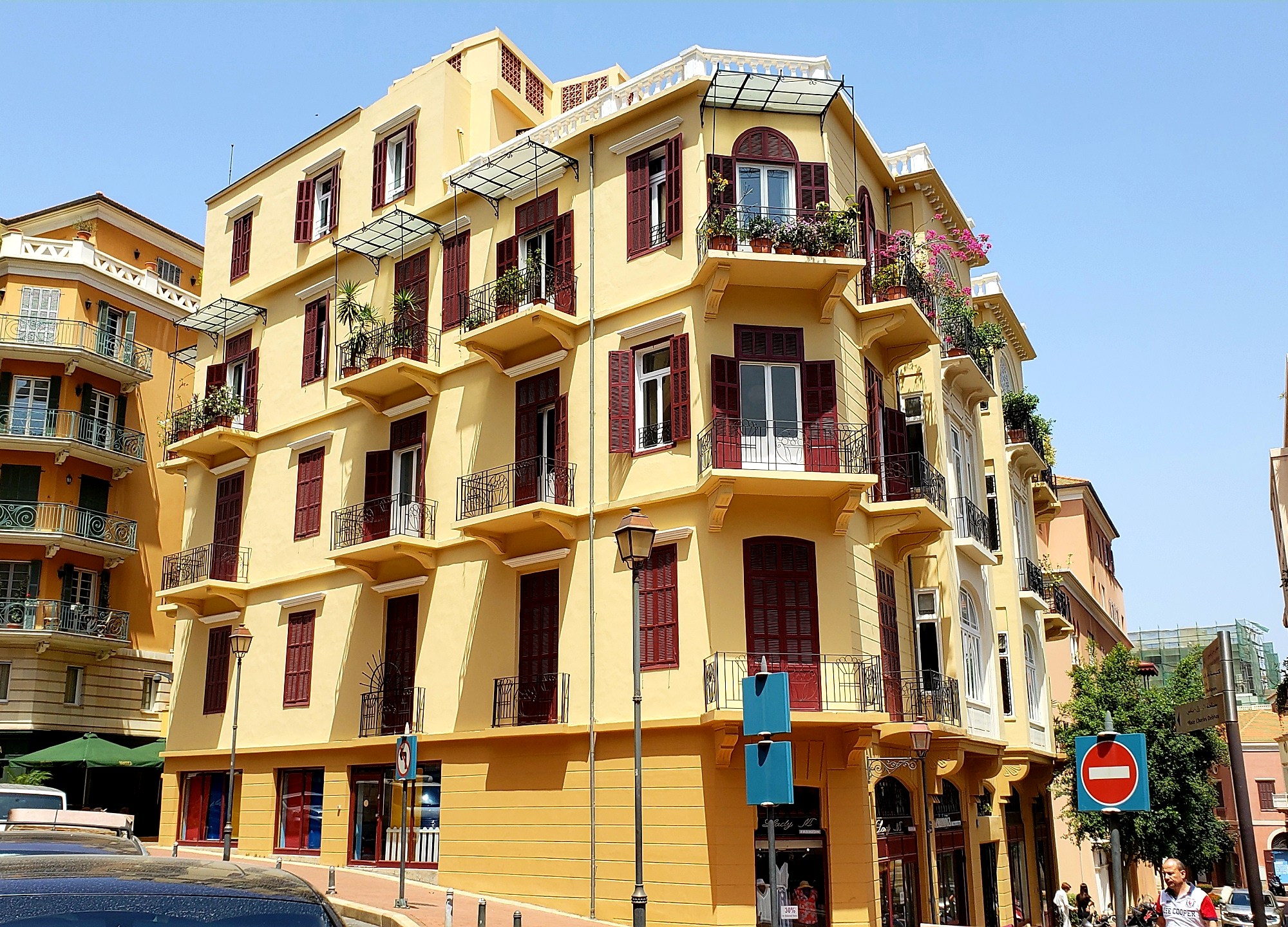
Just returned from Beirut – a great gateway to further travels in the Middle East. Best known for as the Paris of the Middle East, the French Mandate was actually only 23 years of recent history. Lebanese are descendants of a historic lineage of Mediterranean Phoenician people (who invented the alphabet) and later influenced by the incoming Romans, Maronite Christines, Byzantines, Ottomans and Crusaders. Recommend a stop here on your way to Egypt, Turkey or Jordan, just be sure not to travel to Israel on the same trip – all passports with a prior Israeli immigration stamp will be denied entry. Spring is the best season to visit, daytime of 27-28 Celcius to 22-24 at night. However with global warming my trip in early May was exceptionally hot… Data access is pricey, best to buy a local SIM from Touch either at airport (premium) or in downtown.
A country of contrasts – newly restored souks stand beside modern waterfronts and French styled sidewalk cafes. Beirut itself is a very walkable city, crossing districts feels almost as dramatic as crossing eras, peppered by unifying food art and culture along the way.


Top tips: USD is openly used thanks to a stable peg at 1:1500 to the Lebanese Pound. Payment in USD may however be met with change in the local currency. With a large Christian population, dress code tends to be more liberal. Should you visit a mosque hijabs are available on loan to ladies, also suggest to cover the knees and shoulders if heading to Tripoli/Bekaa/Saida. Lebanese are peaceful, but the Israeli bombings of Lebanon in 1982 and 2006 are fresh on their minds so best to refer to the Holy Land as Palestine and avoid any mention of Israel. Bring your passport at all times, as there are road blocks and random ID checks.
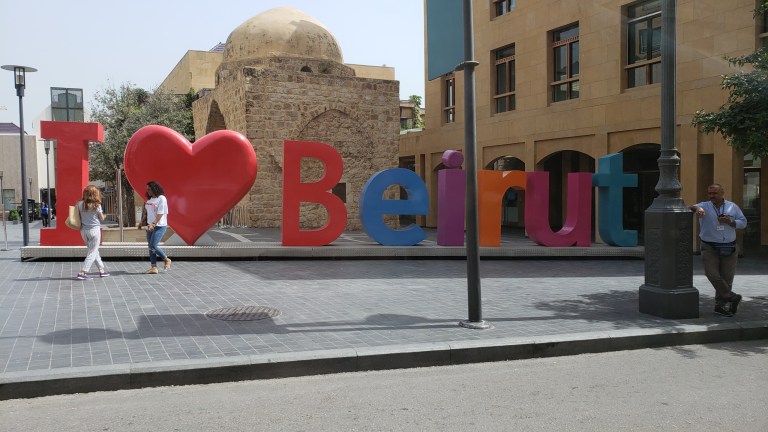
Transport: English is widely used and Uber or AlloTaxi is the best way to get around in Beirut. I found Beirut Transfer a great resource for booking affordable airport pickups as well as private cars for day tours outside the city. City Car Rent a Car was well priced with good drivers as well, but they were much more rigid around paperwork which is challenging for foreign travelers.
Hotels: Fortunately most sights in Lebanon are within driving distance from Beirut, would suggest using the city as a base and do sightseeing daytrips instead. We stayed at the iconic Intercontinental Phoenicia, which together with the Four Seasons are the top choices by the waterfront. For those looking for a more boutique experience, there are several in the Saifi Village area (O Monot, Saifi Suites).


Food and Drink: My favourite among all Middle Eastern cuisines, the options in Beirut are infinite. Finer experiences would be Liza ($$$, French twist, beautiful IG worthy interiors), Loris ($$, authentic recipes), Mayrig ($$, Lebanese-Armenian, be sure to order their set menu for an eye opening experience), Babel ($$$, Zaitunay Bay, fresh seafood). Casual options include T Marbouta, Mezyan, Em Nazih which are mostly in Hamra university area. Beirut is also known for one of the best nightlife in the Middle East, popular bars are Centrale & Internazionale.


Sights: Try to do a half-day tour around the city, starting with downtown to see Place de l’Etoile, St George Greek Orthodox Church, Roman baths, Mohammed Al Amin Mosque followed by coffee at the luxury Beirut Souks. We also much enjoyed walking from Sursock Palace towards Hamra where you can tour the beautiful campus of American University of Beirut. Bohemian and artsy districts of Mar Mikhael & Gemmayzeh feature many art galleries, restaurants and bars which reminds me of the French Concession in Shanghai.


Daytrips: In Lebanon, there are 3 main daytrip routes A) Byblos, Jetta Grotto, Harissa, B) Baalbeck, Anjar, Ksara Wine Valley, C) Beittedine, Deir El Kamar, Barouk, while those with more time can add on a hiking visit to the Cedars or head south to D) Saida, Tyre and Maghdouche. We chose to do the A+B+C, with Baalbeck the biggest highlight for its impressive and well preserved Roman temples. If you do head there, be sure to have your driver drop you at Lakis Farms for lunch. This was my best meal in Lebanon – farm to table, try the fresh cheese and labneh (yogurt) with some Tabbouleh or Fattoush salad, mini sheep pies and Chicken Shish Tawook. The top travel agents in Beirut are Nakhal & Barakat, although Beirut Transfer was already very good for our needs.


Shopping: Unlike the souks of Istanbul and Fez, bargaining is not allowed. Popular souvenirs are food related; baklava and Arabic sweets, rose water and spices (Sumac is a must-buy secret ingredient). I found artwork by Lebanese and Syrian artists very powerful and collectable, Lebanese women are also very fashionably dressed – plenty of chic caftans and semi-precious/beaded jewelry to be found in Saifi Village.


 Tried & Tested