The Kingdom of Bhutan is truly the land of Happiness. Spring and Autumn are the best seasons to visit, but try to plan your trip around their key festivals (tsechu) for a full cultural experience. For those more sporty you can look into joining the Bhutan Marathon (held in Punakha). Contrary to popular belief, there is no official visa capacity limit to tourists, but it is advisable to plan your trip at least 3-4 months ahead given the limited flights & hotel infrastructure. Currently Bhutan requires all foreign tourists (except India as visa exempt) to commit to a minimum daily spend of US$250 (or US$200 off peak) which includes 3* standard accommodation, 3 meals, driver and guide. Tourists are not to be unaccompanied, and do take time to plan out your route ahead of time as your visa only grants access to pre-approved treks & cities on your itinerary. Most agencies are open to customization, they can upgrade you to 4-5* hotels and better meals at additional cost. There are many agencies available & English is the medium of education in Bhutan so communication is never a problem. There is also a rising number of Chinese guides for you to request should that be preferred. I booked through Gaki Travels.
Cash & connectivity
Best to bring ample USD or Indian Rupee as you will be responsible for the 3-4% fees should you use a credit card. Going to the bank in town would be cheaper than exchanging at the airport, but you can save the effort entirely with Indian Rupees as it is viewed 1:1 to Bhutan Ngultrum and broadly accepted. Before you arrive, remember to bring a passport photocopy & 1 passport sized photo to register for a tourist SIM card (I used Tashi Cell). 4G data packages are affordable although connectivity gets weak in more remote areas or when hiking. Some standard hotels only have wifi in public areas so it’s much handier to have your own access.
How to get there?
There are 2 airlines that fly into Paro International Airport – Drukair (longest history, state owned) andBhutan Airways (or Tashi Air to locals which is part of the Tashi private conglomerate). You can fly through Bangkok or Singapore which will come with a mandatory stop (no need to disembark) in 1 of 6 Indian cities, or via Kathmandu if you are combining with a trip to Nepal. If you read the fine print, they recommend to book your international connections with a 24 hour buffer as visibility can be a barrier for landing in the Himalayas. So buy your travel insurance and don’t pack your itinerary too tight.
Recommended itinerary
Paro (2 days) > Thimphu (1.5 days) > Punakha (1.5 days) > Paro for departure
If you can commit to a 10 day visit, would also recommend visiting Bumthang in Central Bhutan. Roads should be better improved by end of 2017, it will be an additional 4h drive from Punakha but you can take a domestic flight back to Paro on your way out. Jakar in Bumthang is culturally significant with the look & feel of Switzerland. Stay in a Swiss lodge (or the Amankora) and enjoy locally made Gouda for an alternative experience. If you pick the right season, you can even fit in a visit to the Black Crane Conservation center when they come to nest ahead of winter.
<Paro>
A stunning valley lost in time. This is the first and last stop for most tourists given its proximity to the airport (20min). Many agents prefer to arrange the 5h flagship hike to Tiger’s Nest for your last day to avoid guests from getting altitude sickness. That said, I think the altitude is moderate at 2,000-3,500km above sea level, as long as your start at a slow pace you should be fine.
Food: We went for the basic minimum which usually means tour buffet meals with simple cabbage stirfry, chow mein and chicken curry although some offer Indian options. Better lunch alternatives are limited, but Champaca Cafe on the main street serve great Western style coffee, ginger honey lemon tea, homemade ice cream and various cakes and cookies. Good reward after a hike! In Paro, most tours will arrange for a dinner in a traditional village homestay for you to try local Bhutan dishes. Expect to try local chilli-cheese (ema-datshi), cured meats, butter tea and homemade rice wine. Do inform your guide in advance if you are unable to take spicy food.


Hotels: We stayed at Kichu Resorts, a traditional style 3* inn. As with all the other basic hotels in Bhutan, best to pack your own hairdryer and toiletries. Better options include Hotel Zhiwaling, a National Geographic recognized eco-lodge, Le Meridien Paro (closer to airport), Uma Paro (run by COMO) and Amankora. We spent our last day at the Uma for archery lessons (US$20), spa and dinner (their restaurant regarded as best in Paro). Although it is increasingly popular to book your entire vacation via COMO or Aman hotel groups, I think it is actually better to pick your hotel property by city for the best combination. Six Senses is said to be opening 2H17 with properties in Paro, Thimphu, Punakha, Gangtey and Bumthang.


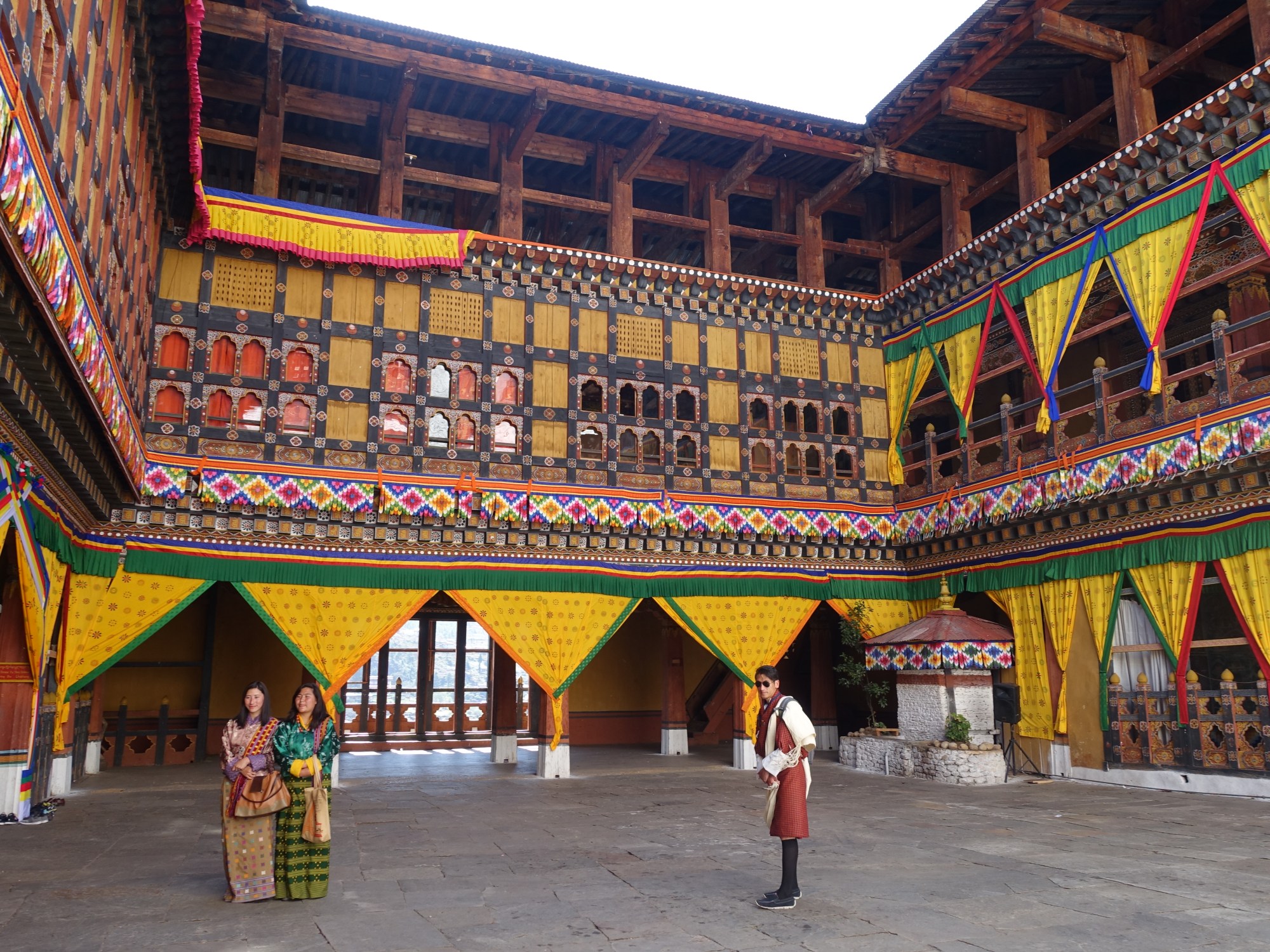
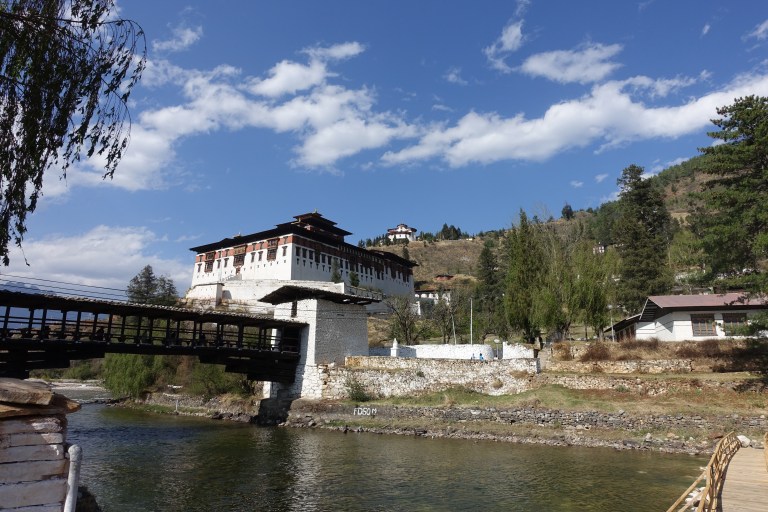
Sights: Aside from Tiger’s Nest (on every postcard), you will definitely be brought to Rinpung Dzhong (Paro’s main fort). Request to visit Kichu Lhakhang (one of the first temples built by Tibetan King), Jangtsa Dumtseng Lhakhang (beautiful murals), Drugyel Dzhong (optional abandoned fort). Also worth doing a morning visit to Drakarpo monastery for a vantage point of Paro Valley and catch the flight landings.


Shopping: Magnets and trinkets are cheaper at the base of Tiger’s Nest. Other things to buy in Bhutaninclude cordyceps, turquoise and coral jewelry, prayer flags, high quality incense. Your guide may also bring you to workshops for thangkha (Buddhist paintings), handmade paper and woven fabrics. Personally I think it’s great to buy a local outfit to wear while you are there (ladies wear the kira, men wear the gho) and the male version makes a great winter dressing coat (expect to pay Nu1,000-1,500). Fabrics and jewelry are generally higher quality in Thimphu. Just beware not to buy anything claiming to be antique as those are restricted from being removed from the country.
<Thimphu>
The capital of Bhutan but if you pay attention you will notice there are no traffic lights! And given the country’s restriction that at least 60% of the country must be covered by trees, there is a 9 hole golf course right in the city center! It gets a bit windy between the hills, would recommend to pack some face masks if you want to avoid the sand.
Hotels: Taj Tashi Hotel is where Prince William & Princess Kate stayed on their visit to Bhutan. They also serve a famous buffet of Bhutanese cuisine should you be interested to sample. Amankora is in the hills with an excellent view of the night city lights. Le Meridien Thimphu is the most Western option available. Personally would prefer to stay centrally if you want a taste of the local nightlife or increase your chances of spotting the royal family.
Sights: Most unlikely destination – ask to drop by the Central Post Office to visit their mini museum and customize your own stamp. Bring your preferred photo on USB and your postcards will feel a bit more special! In the city center, visit the National Memorial Chorten, Folk Heritage Museum, Motithan Takin Sanctuary and get ready to enter the Tashichodzhong after 5pm as the main fort is also the administrative capital. If you are lucky (like me!) you have a chance of catching a sight of the King walking home from work at 5pm. The King also plays soccer every Friday (less regular now that he has a baby at home) if you want another chance to see him. Next morning, take an early hike up Tango Monastery and finish off with a visit to the large Dordenma Statue on the hill before heading to Punakha.


<Punakha>
The historical capital & easily every tourist’s favourite city for its natural scenery and mild weather. Altitude is lower and the terraced rice fields welcome you to a rural landscape. Be sure to pack layers as you will have to ascend the Himalayas before heading back down causing a larger intra-day temperature variance.
Hotels: Como Uma Punakha is the newer of its 2 properties in Bhutan. Dhensa Boutique Resort is a new local hotel overlooking the valley opened by the King’s maternal grandfather (the Queen Mothers are from Punakha). I stayed at a very basic inn Meri Puensum Resort, the room is dated but its set in the rice terraces which is lovely waking up to on a spring morning.


Sights: On the way to Punakha, you will drive through Dochu La Pass for a tea stop. FYI the teahouse is a monopoly, and they require you to make a purchase to access the restrooms. Not common on tour agendas is the Royal Botanical Gardens. If your hotel is able to arrange a picnic lunch for you, this is a perfect stop to relax and stretch your legs. Must sees include the fertility temple Chimi Lhakhang (you can request for a ritual to be done if you are planning for kids) and Punakha Dzhong (most impressive fort in the Kingdom, where all the coronations and Royal Weddings are held). You can also ask your guide to bring you to the suspension bridge for a walk to the local villages or do white water rafting (not too wild). Do try the lovely morning hike through the paddy fields to Khamsum Yule Chorten before you head back to Paro.


 Tried & Tested